
News

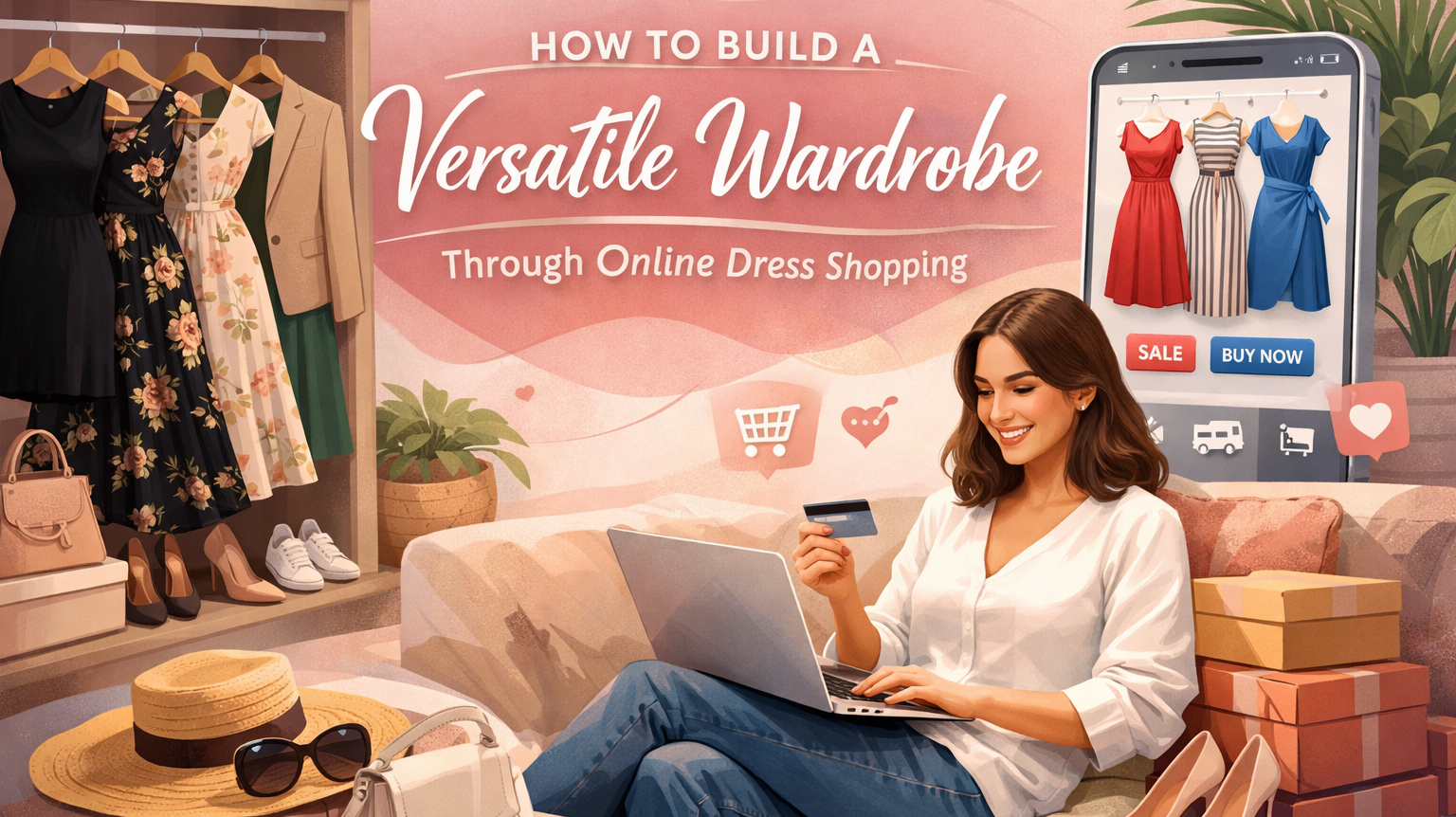
How to Build a Versatile Wardrobe Through Online Dress Shopping

How to Build a Versatile Wardrobe Through Online Dress Shopping

The concept of a versatile wardrobe has evolved significantly in the digital age. For today’s woman, versatility is no longer about owning an excessive number of clothes—it is about owning the right pieces. Dresses, in particular, have emerged as the cornerstone of this approach, offering unmatched adaptability, elegance, and ease.

Online dress shopping has made building a versatile wardrobe more accessible than ever before. With endless options, personalized recommendations, and the ability to compare styles globally, women can now curate collections that reflect both their lifestyle and individuality.

A well-built wardrobe is not accidental. It is intentional, strategic, and rooted in understanding how to select dresses that serve multiple purposes. This guide explores how women can leverage online platforms to create a wardrobe that is functional, stylish, and timeless.

Why Dresses Are the Foundation of a Versatile Wardrobe

Dresses hold a unique position in women’s fashion because they combine simplicity with impact. Unlike separates, a single dress can create a complete look, making it an efficient and reliable choice.

A versatile wardrobe benefits from dresses because they:

  • Transition easily from day to night
  • Require minimal styling effort
  • Adapt to various occasions with small adjustments

From casual outings to formal events, the right dress can be styled to suit different environments. This flexibility makes dresses an essential investment for women seeking both practicality and elegance.

The Role of Online Shopping in Building a Smart Wardrobe

Online platforms have transformed how women approach wardrobe building. Instead of relying on limited in-store options, women now have access to a global marketplace.

This shift allows for:

  • Greater variety in styles and designs
  • Easy comparison of fabrics, fits, and prices
  • Access to emerging and established designers

More importantly, online shopping enables thoughtful decision-making. Women can take their time exploring options, reading reviews, and visualizing how each piece fits into their wardrobe.

This deliberate approach leads to smarter purchases and a more cohesive collection of dresses.

Start With Timeless Essentials

Every versatile wardrobe begins with timeless essentials. These are dresses that remain relevant regardless of changing trends.

Key characteristics of timeless dresses include:

  • Simple silhouettes
  • Neutral or classic colors
  • High-quality materials

Examples include:

  • A classic black dress
  • A neutral midi dress
  • A structured day dress

These pieces serve as the foundation of a wardrobe, providing reliable options for a wide range of occasions.

versatile wardrobe through online dress shopping

The enduring appeal of such designs is explored in The Fashion Industry’s Quiet Return to Classic Dressmaking, which highlights how modern fashion is rediscovering the value of timeless craftsmanship.

Prioritize Versatility Over Quantity

One of the most common mistakes in wardrobe building is focusing on quantity rather than versatility. Owning many dresses does not necessarily translate to having more outfit options.

Instead, women should prioritize dresses that can be styled in multiple ways:

  • A dress that works with both heels and sneakers
  • A piece that can be layered with jackets or sweaters
  • A design suitable for both casual and formal settings

Online shopping makes it easier to identify such pieces by providing detailed images, styling suggestions, and customer reviews.

This approach ensures that each purchase adds value to the wardrobe rather than contributing to clutter.

Understanding Fabric and Functionality

Fabric plays a crucial role in determining how versatile a dress can be. The same design can serve different purposes depending on the material.

For example:

  • Lightweight fabrics are ideal for daytime and warmer seasons
  • Structured materials offer a more polished, formal appearance
  • Stretch fabrics provide comfort and flexibility

Online platforms provide detailed descriptions and close-up images, helping women make informed decisions about fabric choices.

Understanding these nuances allows women to select dresses that align with their lifestyle and seasonal needs.

Building Around Your Lifestyle

A versatile wardrobe must reflect the realities of daily life. Women should consider how and where they spend their time when selecting dresses.

For instance:

  • Professionals may prioritize dresses suitable for work environments
  • Socially active individuals may focus on event-ready styles
  • Those with dynamic routines may seek comfortable, adaptable pieces

Online shopping allows women to filter options based on these needs, ensuring that each purchase serves a practical purpose.

This alignment between wardrobe and lifestyle enhances both functionality and satisfaction.

The Power of Neutral and Statement Pieces

A well-balanced wardrobe includes both neutral and statement dresses. Each plays a distinct role in creating versatility.

Neutral dresses:

  • Provide a foundation for multiple outfits
  • Are easy to accessorize
  • Offer long-term usability

Statement dresses:

  • Add personality and uniqueness
  • Serve as focal points for special occasions
  • Reflect individual style preferences

Online platforms make it easy to explore both categories, allowing women to strike the right balance between practicality and creativity.

Layering: Maximizing Outfit Possibilities

Layering is a key strategy for maximizing the versatility of dresses. A single dress can be transformed through thoughtful layering.

Examples include:

  • Adding a blazer for a professional look
  • Pairing with a sweater for a casual style
  • Incorporating accessories for a formal appearance

Online shopping often includes styling suggestions that demonstrate how a dress can be worn in different ways. These insights help women envision multiple uses for a single piece.

Layering not only extends the usability of dresses but also enhances creativity in styling.

Leveraging Reviews and Visual Content

One of the advantages of online shopping is access to customer reviews and visual content. These resources provide valuable insights that go beyond product descriptions.

Women can learn:

  • How a dress fits different body types
  • Whether it meets expectations in terms of quality
  • How it looks in real-life settings

Customer photos and videos offer a realistic perspective, helping women make confident decisions.

This transparency reduces uncertainty and ensures that each purchase contributes positively to the wardrobe.

Investing in Quality Over Trends

While trends can be appealing, they often have a limited lifespan. Building a versatile wardrobe requires a focus on quality and longevity.

High-quality dresses:

  • Maintain their appearance over time
  • Offer better fit and comfort
  • Provide greater value for money

Online platforms make it easier to identify quality through detailed descriptions, brand reputation, and customer feedback.

This approach encourages women to invest in pieces that remain relevant and wearable for years.

The Return of Classic Dress Styles

There is a growing movement toward classic dress styles that emphasize elegance and simplicity. This trend aligns perfectly with the goal of building a versatile wardrobe.

Classic dresses offer:

  • Timeless appeal
  • Adaptability across occasions
  • Enduring style

To explore this shift further, read Why Fashion’s Most Influential Designers Are Turning Back to Classic Dresses.

Digital platforms have played a significant role in making these styles accessible, allowing women to incorporate them into their wardrobes with ease.

Organizing Your Online Shopping Strategy

Building a versatile wardrobe through online shopping requires a strategic approach. Women should:

  • Create a list of essential pieces
  • Set a budget for purchases
  • Prioritize quality and functionality

Using filters, wish lists, and saved items can help streamline the process. This organization ensures that shopping remains focused and intentional.

A structured approach prevents impulsive purchases and supports long-term wardrobe goals.

Seasonal Adaptability

A versatile wardrobe must adapt to changing seasons. Dresses can be selected and styled to suit different weather conditions.

For example:

  • Lightweight dresses for summer
  • Layered styles for fall and winter
  • Transitional pieces for spring

Online platforms provide seasonal collections and recommendations, making it easier to plan ahead.

This adaptability ensures that the wardrobe remains functional throughout the year.

Budget-Friendly Versatility

Building a versatile wardrobe does not require excessive spending. Online shopping offers opportunities to find high-quality dresses at competitive prices.

Women can:

  • Compare prices across platforms
  • Take advantage of sales and discounts
  • Discover emerging brands offering value

This accessibility makes it possible to build a stylish and functional wardrobe within a reasonable budget.

The Emotional Value of a Well-Curated Wardrobe

A versatile wardrobe is not just practical—it is empowering. When women have access to dresses that suit various occasions, they feel more confident and prepared.

This confidence extends beyond fashion, influencing how women present themselves in different aspects of life.

Online shopping enhances this experience by providing the tools and resources needed to make thoughtful choices.

The Future of Wardrobe Building

As technology continues to evolve, the process of building a wardrobe will become even more refined. Innovations such as AI-driven recommendations and virtual styling tools will further enhance the online shopping experience.

These advancements will make it easier for women to:

  • Discover new styles
  • Make informed decisions
  • Build wardrobes that reflect their individuality

The future of fashion is not just about trends—it is about personalization and empowerment.

Creating a Wardrobe That Works for You

Building a versatile wardrobe through online dress shopping is both an art and a strategy. It requires thoughtful selection, an understanding of personal style, and a focus on quality and functionality.

Dresses, with their inherent adaptability, provide the perfect foundation for this approach. They offer simplicity, elegance, and endless possibilities for styling.

Online platforms have made this process more accessible, allowing women to curate wardrobes that align with their lifestyles and aspirations.

In this new era of fashion, versatility is not about having more—it is about having better. And with the right approach, every woman can build a wardrobe that truly works for her.

Continue reading

How Reviews and Ratings Influence Women’s Dress Purchases Online

How Reviews and Ratings Influence Women’s Dress Purchases Online

The way women shop for dresses has evolved dramatically in the digital age. While convenience, variety, and accessibility play a crucial role, one of the most powerful forces shaping purchasing decisions is often overlooked: reviews and ratings.

In the absence of physical interaction—touching fabrics, trying on fits, or seeing colors in person—women rely on something equally influential: the experiences of others. Reviews and ratings have become the digital equivalent of word-of-mouth recommendations, guiding, validating, and sometimes even redefining how women approach online dress shopping.

This behavioral shift has transformed reviews from simple feedback into a central pillar of the online shopping ecosystem. Today, they do more than inform—they influence, persuade, and build confidence.

The Psychology Behind Reviews and Ratings

At the core of reviews and ratings lies a fundamental psychological principle: social proof. Women, like all consumers, are influenced by the actions and opinions of others, especially when making decisions in uncertain environments.

When shopping for dresses online, uncertainty is natural. Questions arise:

  • Will the dress fit as expected?
  • Is the fabric high quality?
  • Does it look the same in real life as it does online?

Reviews help answer these questions. They reduce ambiguity by providing real-world insights from women who have already made the purchase.

This validation creates a sense of reassurance. When multiple buyers share positive experiences, it strengthens confidence and makes the decision to purchase feel safer and more informed.

Reviews as a Substitute for the Fitting Room

One of the biggest limitations of online dress shopping is the inability to physically try on a garment. Reviews and ratings effectively bridge this gap.

Women rely on detailed feedback to understand:

  • How a dress fits different body types
  • Whether sizing runs small, large, or true to size
  • How the fabric feels and moves

Customer photos further enhance this experience. Seeing a dress on real people—rather than models—provides a more accurate representation of how it might look in everyday settings.

In many ways, reviews have become a virtual fitting room, offering insights that go beyond what traditional retail can provide.

The Role of Star Ratings in Decision-Making

Star ratings serve as a quick, visual indicator of a product’s overall quality and popularity. They simplify decision-making by providing an immediate snapshot of customer satisfaction.

Women often use ratings to:

  • Filter out low-quality options
  • Compare similar dresses quickly
  • Prioritize highly rated products

A dress with consistently high ratings is more likely to be perceived as reliable and worth purchasing. Conversely, low ratings can deter potential buyers, regardless of how appealing the product may appear.

This makes ratings a powerful tool—not just for consumers, but for brands aiming to build trust and credibility.

Authenticity and the Demand for Honest Feedback

Modern consumers are highly attuned to authenticity. Women are not just looking for positive reviews—they are looking for honest ones.

Balanced feedback that includes both pros and cons is often more persuasive than overly positive commentary. It signals transparency and helps set realistic expectations.

Women value reviews that discuss:

  • Specific details about fit and fabric
  • Real-life usage and comfort
  • Potential drawbacks or limitations

This demand for authenticity has elevated the importance of genuine customer voices in shaping purchasing behavior.

Emotional Influence: Beyond Facts and Features

Reviews do more than provide factual information—they evoke emotions. A well-written review can create a sense of excitement, trust, or even aspiration.

When a woman reads about how a dress made someone feel confident, elegant, or special, it resonates on a deeper level. This emotional connection can be a decisive factor in the purchasing process.

Dresses, in particular, are closely tied to emotions. They are often worn during meaningful moments, making the emotional impact of reviews even more significant.

The Impact of Negative Reviews

While positive reviews encourage purchases, negative reviews play an equally important role. They provide critical insights that help women make more informed decisions.

Rather than discouraging purchases entirely, negative reviews often:

  • Highlight potential issues to consider
  • Set realistic expectations
  • Build trust through transparency

Interestingly, a product with a mix of positive and negative reviews is often perceived as more credible than one with only perfect ratings.

For women shopping online, this balanced perspective is invaluable. It allows them to weigh pros and cons and make choices that align with their preferences.

Community-Driven Shopping Experiences

Online shopping has evolved into a community-driven experience. Reviews and ratings create a sense of connection among women, fostering a shared space where experiences are exchanged and valued.

This sense of community:

  • Encourages engagement and interaction
  • Builds trust in the platform
  • Enhances the overall shopping experience

Women are not just buying dresses—they are participating in a collective conversation about style, quality, and value.

Influencer Reviews vs. Customer Reviews

While influencers play a significant role in shaping fashion trends, customer reviews often carry greater weight in purchasing decisions.

Influencer content is aspirational, showcasing how dresses can be styled and worn. Customer reviews, on the other hand, are practical and relatable, focusing on real-life experiences.

Women tend to use both sources:

  • Influencers for inspiration
  • Customer reviews for validation

This combination creates a well-rounded decision-making process, where aspiration meets practicality.

How Reviews Reinforce Trust in Online Brands

Trust is a critical factor in online shopping, and reviews are one of the most effective ways to build it. Brands that consistently receive positive feedback are more likely to be perceived as reliable and customer-focused.

Reviews contribute to trust by:

  • Demonstrating transparency
  • Showcasing customer satisfaction
  • Providing evidence of quality

For women shopping for dresses online, trust is essential. It determines whether they feel confident enough to complete a purchase.

The Connection Between Reviews and Style Confidence

Choosing a dress is often a deeply personal decision. Women want to feel confident not just in the quality of the garment, but in how it aligns with their style.

Reviews help reinforce this confidence by:

  • Offering styling suggestions
  • Sharing experiences from women with similar preferences
  • Providing reassurance about the final look

This support system makes it easier for women to step outside their comfort zones and explore new styles.

The Influence of Reviews on Timeless Fashion Choices

Reviews are not only shaping trends—they are also influencing a return to timeless fashion. Women are increasingly drawn to dresses that offer lasting value and classic appeal.

This shift is reflected in the growing appreciation for designs that prioritize elegance and craftsmanship. For a deeper perspective, explore The Fashion Industry’s Quiet Return to Classic Dressmaking.

Reviews often highlight the durability and versatility of such pieces, reinforcing their appeal and encouraging thoughtful purchasing decisions.

Reviews and the Revival of Classic Dress Aesthetics

The influence of reviews extends beyond individual purchases to broader fashion movements. Women are rediscovering the beauty of classic dress styles, guided in part by shared experiences and feedback.

women connect with fashion

Detailed reviews often emphasize:

  • The timeless appeal of certain designs
  • The quality of materials and construction
  • The versatility of classic silhouettes

This aligns with a larger trend toward enduring fashion. To understand this movement further, read Why Fashion’s Most Influential Designers Are Turning Back to Classic Dresses.

Digital platforms, supported by reviews, are making it easier than ever for women to embrace these styles.

The Role of Technology in Enhancing Reviews

Technology continues to enhance the impact of reviews and ratings. Features such as verified purchases, photo uploads, and advanced filtering systems improve the quality and reliability of feedback.

Women can now:

  • Filter reviews by size, height, or body type
  • View photos from real customers
  • Identify the most helpful reviews

These advancements make reviews more actionable and relevant, further strengthening their influence on purchasing decisions.

Overcoming Challenges Through Feedback

Reviews also play a critical role in addressing common challenges in online dress shopping. Issues such as sizing inconsistencies or fabric expectations are often clarified through customer feedback.

This collective knowledge:

  • Reduces uncertainty
  • Improves satisfaction
  • Encourages repeat purchases

For brands, reviews provide valuable insights that can be used to improve products and enhance the customer experience.

The Future of Reviews in Online Dress Shopping

As online shopping continues to evolve, the role of reviews and ratings will only grow in importance. Emerging trends include:

  • Video reviews for more detailed insights
  • AI-driven summaries of customer feedback
  • Greater emphasis on authenticity and transparency

These developments will further refine the shopping experience, making it even more intuitive and reliable for women.

Reviews and ratings have become indispensable in the world of online dress shopping. They provide the trust, insight, and reassurance that women need to make confident purchasing decisions.

More than just feedback, they represent a collective voice—a community of women sharing their experiences, guiding one another, and shaping the future of fashion.

In this digital landscape, reviews are not just influencing purchases—they are redefining how women connect with fashion, making online dress shopping more informed, inclusive, and empowering than ever before.

Continue reading

What Drives Women to Buy Dresses Online: A Behavioral Analysis

What Drives Women to Buy Dresses Online: A Behavioral Analysis

The way women shop for dresses has undergone a profound transformation in recent years. Online platforms have not only changed where purchases happen, but also how decisions are made. What once relied on in-store browsing and limited local options has evolved into a sophisticated, digitally driven experience shaped by psychology, convenience, and personal identity.

Understanding what drives women to buy dresses online requires a deeper look into behavioral patterns—how emotions, preferences, social influence, and technology intersect to guide purchasing decisions. Women today are not simply buying dresses; they are curating a lifestyle, expressing individuality, and making informed choices in an environment designed to empower them.

This behavioral shift is central to the continued growth of online dress shopping. It reveals why digital platforms have become the preferred destination for women seeking style, quality, and meaning in their wardrobe.

The Psychology of Choice: Why Variety Matters

One of the most influential behavioral drivers behind online dress shopping is the abundance of choice. Women are naturally drawn to environments where they feel empowered to explore options and make decisions that reflect their personal style.

Online platforms provide:

  • Access to a vast range of designs
  • Multiple brands and price points
  • Styles suited for every occasion

This variety satisfies a fundamental psychological need: autonomy. When women feel they have control over their choices, they are more likely to engage deeply with the shopping experience.

Unlike traditional retail, where inventory is limited, digital platforms offer a sense of endless possibility. This not only enhances satisfaction but also increases the likelihood of purchase, as women can compare and refine their preferences in real time.

Convenience as a Behavioral Catalyst

Convenience is not just a practical advantage—it is a powerful behavioral motivator. Modern women value efficiency, and online shopping aligns perfectly with their need to manage time effectively.

The ability to shop anytime, anywhere eliminates common barriers such as:

  • Travel time
  • Store hours
  • Physical fatigue

This frictionless experience encourages more frequent engagement. Women can browse dresses during moments of downtime, revisit options, and complete purchases without disruption.

Convenience also reduces decision fatigue. With filters, search tools, and curated recommendations, women can quickly narrow down options and focus on what truly resonates with them.

Emotional Buying: Dresses as Expressions of Identity

Dresses hold a unique place in women’s fashion because they are often tied to emotions and experiences. Whether it is a dress for a special event or an everyday piece that boosts confidence, the decision to purchase is rarely purely rational.

Online platforms amplify this emotional connection by:

  • Showcasing dresses in aspirational settings
  • Highlighting lifestyle imagery
  • Creating narratives around each piece

Women are drawn to dresses that align with how they want to feel—confident, elegant, bold, or comfortable. This emotional resonance plays a significant role in driving online purchases.

The digital environment allows women to visualize themselves in these dresses, strengthening the connection between the product and their personal identity.

The Role of Social Proof and Community Influence

Behavioral research consistently shows that people are influenced by the opinions and experiences of others. In the context of online dress shopping, social proof is a critical driver.

Women rely on:

  • Customer reviews and ratings
  • User-generated photos
  • Testimonials and feedback

These elements provide reassurance and reduce uncertainty. Seeing how a dress looks on real people helps women make more confident decisions.

Social media further amplifies this effect. Influencers, fashion bloggers, and everyday users create a continuous stream of inspiration, shaping perceptions of what is stylish and desirable.

This collective influence creates a sense of trust and belonging, encouraging women to participate in the shared experience of fashion.

online dress shopping

Personalization and the Desire to Be Understood

Modern consumers expect more than generic shopping experiences. Women, in particular, value personalization—the feeling that a platform understands their preferences and needs.

Online shopping platforms use data to:

  • Recommend dresses based on browsing behavior
  • Suggest styles aligned with past purchases
  • Curate collections tailored to individual tastes

This personalization enhances engagement by making the experience more relevant and efficient. Women are more likely to explore and purchase when they feel that the options presented are specifically chosen for them.

It also strengthens loyalty. A platform that consistently delivers relevant recommendations becomes a trusted resource, encouraging repeat visits and purchases.

Instant Gratification in the Digital Age

The desire for instant gratification is a powerful behavioral driver. Online shopping satisfies this need by providing immediate access to products and quick purchasing processes.

Women can:

  • Discover new dresses instantly
  • Compare options within seconds
  • Complete transactions with minimal effort

This immediacy creates a sense of satisfaction that reinforces the behavior. The faster and smoother the experience, the more likely women are to return.

While delivery times still play a role, the ability to secure a desired dress quickly is often enough to fulfill the initial emotional impulse.

The Influence of Visual Content and Aesthetic Appeal

Visual presentation is a critical factor in online dress shopping. High-quality images, videos, and styling suggestions significantly impact purchasing decisions.

Women are influenced by:

  • How a dress is styled in photos
  • The movement and fit shown in videos
  • The overall aesthetic of the brand

These visual elements help bridge the gap between digital and physical experiences. They allow women to imagine how a dress will look and feel, reducing uncertainty and increasing confidence.

The more compelling the visual content, the stronger the emotional and psychological pull.

Trust, Transparency, and Reduced Risk

Trust is a foundational element in any purchasing decision. Online platforms have invested heavily in building trust through transparency and user-friendly policies.

Women are more likely to buy dresses online when they have access to:

  • Detailed product descriptions
  • Clear sizing information
  • Flexible return policies

These features reduce perceived risk, making the decision to purchase less daunting.

Transparency also extends to brand values. Women increasingly prefer brands that are open about their processes, materials, and ethical practices.

The Resurgence of Classic Style and Timeless Dresses

Interestingly, while online shopping is driven by innovation, it has also contributed to a renewed appreciation for timeless fashion. Women are increasingly drawn to dresses that offer enduring style rather than fleeting trends.

This shift reflects a deeper behavioral preference for:

  • Versatility
  • Longevity
  • Elegance

Digital platforms have made it easier to discover and invest in such pieces. For a closer look at this trend, explore The Fashion Industry’s Quiet Return to Classic Dressmaking.

This movement highlights how online shopping is not just about convenience—it is also about thoughtful consumption and lasting value.

The Impact of Influencers and Digital Storytelling

Influencers play a significant role in shaping purchasing behavior. Their ability to present dresses in relatable, aspirational ways makes them powerful drivers of online sales.

Women are influenced by:

  • Styling tips and outfit ideas
  • Authentic reviews and recommendations
  • Personal stories connected to fashion

This form of storytelling creates a deeper connection between the consumer and the product. It transforms dresses from items of clothing into elements of a broader lifestyle narrative.

The Desire for Exclusivity and Discovery

Online platforms cater to another important behavioral driver: the desire for discovery. Women enjoy finding unique dresses that set them apart.

This includes:

  • Limited-edition collections
  • Emerging designers
  • Niche styles not available in mainstream stores

The thrill of discovering something special enhances the shopping experience, making it more engaging and rewarding.

This sense of exclusivity adds value to the purchase, as women feel they are acquiring something distinctive.

Revisiting the Influence of Timeless Fashion Icons

The behavioral appeal of dresses is also rooted in their historical and cultural significance. Many women are inspired by classic silhouettes and iconic styles that have stood the test of time.

This influence is evident in the growing popularity of designs that emphasize elegance and simplicity. To understand this shift, read Why Fashion’s Most Influential Designers Are Turning Back to Classic Dresses.

Digital platforms have made it easier to access these timeless styles, allowing women to incorporate classic elements into their modern wardrobes.

Sustainability and Conscious Decision-Making

Behavioral patterns are increasingly influenced by environmental awareness. Women are becoming more conscious of the impact of their purchases, seeking dresses that align with sustainable values.

Online platforms support this shift by:

  • Highlighting eco-friendly options
  • Providing information about materials and production
  • Encouraging responsible consumption

This alignment between values and choices strengthens the emotional satisfaction of purchasing, making the experience more meaningful.

The Future of Behavioral Trends in Online Dress Shopping

As technology continues to evolve, so will the behavioral drivers behind online shopping. Emerging trends include:

  • AI-powered styling recommendations
  • Enhanced virtual try-on experiences
  • Greater emphasis on sustainability and ethics

These advancements will further refine the shopping experience, making it even more intuitive and personalized.

The rise of online dress shopping is driven by a complex interplay of psychological, emotional, and technological factors. Women are drawn to digital platforms because they offer more than just products—they provide experiences that align with modern lifestyles and values.

From convenience and variety to personalization and emotional connection, every aspect of online shopping is designed to meet the needs of today’s consumer.

This behavioral shift is not temporary. It represents a fundamental change in how women engage with fashion, one that will continue to shape the industry for years to come.

In this new landscape, dresses are more than garments—they are expressions of identity, tools of empowerment, and reflections of a world where choice, accessibility, and individuality are paramount.

Continue reading

Why Online Dress Shopping Has Become the New Normal for Women

Why Online Dress Shopping Has Become the New Normal for Women

In the past, shopping for dresses was often a time-consuming ritual—visiting multiple stores, navigating limited inventories, and relying heavily on what was available locally. Today, that paradigm has shifted dramatically. Online dress shopping has not only gained popularity but has firmly established itself as the new normal for women across all lifestyles, age groups, and fashion preferences.

This transformation is not accidental. It is the result of evolving consumer expectations, rapid technological advancements, and a growing demand for convenience, variety, and personalization. Women are no longer confined by geography or traditional retail structures. Instead, they are empowered by digital platforms that bring the world of fashion directly to their fingertips.

The rise of online dress shopping represents more than a change in purchasing behavior—it reflects a broader cultural shift toward autonomy, efficiency, and self-expression in women’s fashion.

The Convenience Factor: Redefining the Shopping Experience

At the heart of online dress shopping lies one undeniable advantage: convenience. Modern women lead dynamic, multifaceted lives, balancing careers, families, social commitments, and personal goals. In such a fast-paced environment, the ability to shop for dresses anytime and anywhere is invaluable.

Online platforms eliminate the need for:

  • Traveling to physical stores
  • Waiting in long lines
  • Adhering to store hours

Instead, women can browse, compare, and purchase dresses at their own pace—whether during a lunch break, late at night, or while planning an upcoming event.

This level of accessibility has transformed shopping from a scheduled activity into a seamless part of daily life. It allows women to make thoughtful, informed decisions without the pressure or limitations of traditional retail environments.

Unlimited Variety: A World of Dresses at Your Fingertips

One of the most compelling reasons online dress shopping has become the norm is the unparalleled variety it offers. Physical stores are constrained by space, but digital platforms have no such limitations.

Women can now explore:

  • Thousands of dress styles in one place
  • Designs from global and emerging designers
  • Options tailored to every occasion, season, and personal taste

This vast selection ensures that every woman can find dresses that resonate with her unique identity. Whether she is searching for a minimalist everyday dress, an elegant evening gown, or a statement piece for a special occasion, the options are virtually limitless.

The ability to access such diversity has elevated the shopping experience, making it more inclusive, inspiring, and aligned with individual expression.

Personalization: Fashion That Understands You

Online shopping platforms have evolved beyond simple catalogs. Today, they leverage advanced technologies to deliver highly personalized experiences.

Through data insights and user behavior analysis, platforms can:

  • Recommend dresses based on previous searches and purchases
  • Suggest styles that match individual preferences
  • Highlight collections that align with a shopper’s lifestyle

This level of personalization transforms the shopping journey into a curated experience. Women are no longer overwhelmed by endless choices; instead, they are guided toward dresses that suit their tastes and needs.

Personalization also enhances confidence in purchasing decisions, as women feel understood and supported by the platform’s recommendations.

The Influence of Social Media and Digital Inspiration

Social media has become a powerful catalyst in the normalization of online dress shopping. Platforms such as Instagram, Pinterest, and TikTok serve as dynamic spaces where fashion trends are discovered, shared, and amplified.

Women are increasingly influenced by:

  • Style influencers and fashion creators
  • Real-life outfit inspirations
  • Viral fashion trends

These platforms seamlessly integrate inspiration with action. A woman can see a dress styled in a post and instantly find similar options online, bridging the gap between discovery and purchase.

This integration has created a continuous loop of inspiration and consumption, reinforcing the role of online platforms as the primary destination for dress shopping.

Empowerment Through Choice and Accessibility

Online dress shopping has democratized fashion in unprecedented ways. Women are no longer limited by what is available in their local area. Instead, they have access to a global marketplace that celebrates diversity and individuality.

Online dress shopping

This accessibility empowers women to:

  • Explore different styles and aesthetics
  • Discover designers from around the world
  • Find dresses that reflect their cultural and personal identities

The result is a more inclusive fashion landscape, where every woman can find pieces that resonate with her sense of self.

The Role of Reviews and Transparency

One of the most transformative aspects of online shopping is the availability of user-generated content. Reviews, ratings, and customer photos provide valuable insights that enhance the decision-making process.

Women can now:

  • Evaluate the fit and quality of a dress before purchasing
  • Learn from the experiences of other buyers
  • Make informed choices with greater confidence

This transparency builds trust and reduces the uncertainty often associated with online shopping. It creates a sense of community, where women support one another through shared experiences.

Technology Is Bridging the Gap Between Online and Physical Shopping

One of the initial concerns surrounding online dress shopping was the inability to try on garments before purchasing. However, technological advancements have significantly reduced this limitation.

Innovations such as:

  • Virtual try-on tools
  • Detailed sizing guides
  • High-resolution product imagery

have made it easier for women to visualize how a dress will look and fit.

These tools are continuously improving, bringing the online shopping experience closer to the tactile assurance of in-store shopping while retaining the benefits of convenience and variety.

The Emotional Connection to Dresses in the Digital Age

Despite the digital nature of online shopping, the emotional significance of dresses remains deeply rooted. Dresses are often associated with meaningful moments—celebrations, milestones, and personal achievements.

Online platforms have enhanced this connection by making it easier for women to find dresses that align with these experiences. Whether it is a dress for a wedding, a professional event, or a casual outing, the process of selecting the right piece carries emotional weight.

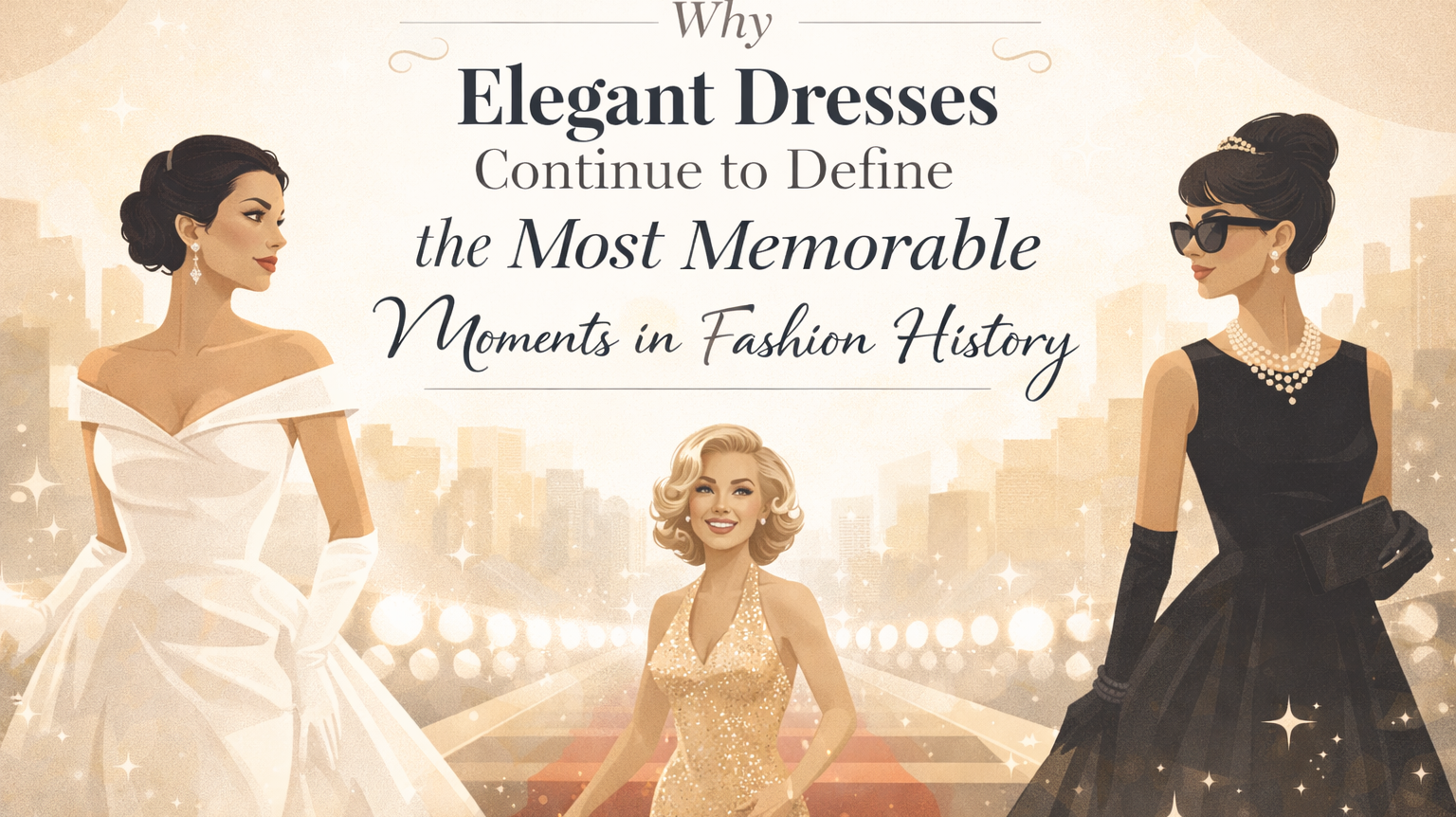
For a deeper perspective on the enduring importance of dresses in shaping unforgettable experiences, explore Why Elegant Dresses Continue to Define the Most Memorable Moments in Fashion History.

This connection underscores the idea that dresses are not just fashion items—they are part of a woman’s story.

The Resurgence of Craftsmanship and Quality

While online shopping emphasizes accessibility and speed, it has also sparked a renewed appreciation for quality and craftsmanship. Women are increasingly seeking dresses that offer more than just aesthetic appeal—they want pieces that reflect artistry and durability.

This shift has brought attention to designers who prioritize:

  • Detailed craftsmanship
  • High-quality materials
  • Thoughtful design processes

To learn more about this movement, read The Designers Bringing Craftsmanship Back to Women’s Fashion.

Digital platforms have played a crucial role in showcasing these designers, allowing them to reach a broader audience and redefine the standards of modern fashion.

Sustainability and Conscious Fashion Choices

As online shopping becomes the norm, so does awareness of its environmental impact. Women are becoming more mindful of their purchasing decisions, seeking dresses that align with sustainable values.

Online platforms are responding by:

  • Promoting eco-friendly collections
  • Providing transparency in production processes
  • Encouraging responsible consumption

This shift reflects a growing desire to balance style with sustainability, ensuring that fashion choices contribute positively to the environment.

Affordability and Competitive Pricing

Another key factor driving the popularity of online dress shopping is affordability. Digital platforms often offer competitive pricing, discounts, and exclusive deals that are not available in physical stores.

Women benefit from:

  • Easy price comparisons
  • Seasonal sales and promotions
  • Access to a wide range of price points

This affordability makes fashion more accessible, allowing women to build versatile wardrobes without exceeding their budgets.

The Future of Online Dress Shopping

The evolution of online dress shopping is far from complete. As technology continues to advance, the future promises even more innovation and refinement.

Emerging trends include:

  • Artificial intelligence-driven styling assistants
  • Enhanced virtual shopping experiences
  • Greater integration of sustainability practices

These developments will further solidify online platforms as the primary destination for women’s dress shopping.

Online dress shopping has become the new normal because it aligns perfectly with the needs and aspirations of modern women. It offers convenience, variety, personalization, and empowerment—all within a single, seamless experience.

This shift is not a temporary trend; it is a fundamental transformation in how women engage with fashion. Digital platforms have redefined the relationship between consumers and clothing, placing control firmly in the hands of the individual.

As women continue to embrace this new way of shopping, one thing is clear: online dress shopping is not just the future—it is the present, shaping a more inclusive, accessible, and inspiring world of fashion.

Continue reading

From Runway to Cart: How Digital Platforms Are Transforming Dress Shopping

From Runway to Cart: How Digital Platforms Are Transforming Dress Shopping

The journey of a dress—from the exclusive world of runway shows to the personal wardrobes of women across the globe—has undergone a profound transformation. What was once dictated by seasonal fashion weeks, elite designers, and limited accessibility is now driven by digital platforms that have redefined how women discover, evaluate, and purchase dresses.

Today, online shopping is not merely a convenience; it is a cultural shift. Women are no longer passive recipients of fashion trends. Instead, they are active participants, empowered by technology to curate their own style narratives. From real-time runway coverage to personalized shopping experiences, digital platforms have reshaped the entire lifecycle of women’s dresses.

This transformation is not just about accessibility—it is about democratization, personalization, and empowerment. The modern woman is no longer waiting for fashion to reach her; she is accessing it instantly, thoughtfully, and on her own terms.

The Runway Is No Longer Exclusive

For decades, runway shows represented the pinnacle of fashion authority. However, access to these shows was restricted to industry insiders, celebrities, and select media. Today, digital platforms have dismantled these barriers.

Livestreams, social media coverage, and instant uploads allow women everywhere to experience runway moments in real time. The gap between the debut of a dress on the runway and its availability online has narrowed dramatically.

This shift has created a new dynamic:

  • Trends are identified instantly
  • Consumer demand is generated immediately
  • Designers respond faster than ever before

Women are no longer waiting for seasonal collections to trickle down into retail stores. Instead, they are engaging with fashion at the speed of culture, making decisions in real time and influencing trends as they emerge.

The Rise of Instant Gratification in Dress Shopping

One of the most defining features of digital transformation is immediacy. The modern consumer expects speed—not just in delivery, but in discovery and decision-making.

Online platforms have made it possible for women to:

  • Browse thousands of dress styles within minutes
  • Compare prices, fabrics, and fits instantly
  • Access global fashion trends without geographical limitations

This immediacy has fundamentally changed expectations. A woman can see a dress on a digital runway, explore similar styles online, and complete a purchase within minutes. The traditional timeline of fashion consumption has collapsed into a seamless, real-time experience.

Personalization: The New Standard in Online Dress Shopping

Digital platforms are not just expanding choices—they are refining them. Personalization has become a cornerstone of the online shopping experience.

Through data-driven insights, platforms can now:

  • Recommend dresses based on browsing history
  • Suggest styles aligned with body type and preferences
  • Curate collections tailored to individual tastes

This level of personalization transforms shopping from a transactional activity into a curated experience. Women are no longer overwhelmed by options; they are guided toward selections that resonate with their identity and lifestyle.

The result is a deeper emotional connection to fashion. Dresses are no longer just garments—they are expressions of individuality, chosen with intention and precision.

The Power of Visual Storytelling

In the digital era, storytelling has become a powerful driver of fashion engagement. Online platforms do more than display dresses—they create narratives around them.

High-quality imagery, videos, and editorial content allow women to visualize:

  • How a dress moves
  • How it fits different body types
  • How it can be styled for various occasions

This immersive experience bridges the gap between physical and digital shopping. Women can make confident decisions without needing to visit a store, because they are equipped with rich, visual information.

The importance of storytelling in fashion is not new, but digital platforms have amplified its impact. They have transformed passive browsing into an engaging, narrative-driven journey.

The Influence of Social Media on Dress Trends

Social media has become one of the most influential forces in shaping women’s fashion. Platforms like Instagram, Pinterest, and TikTok are no longer just sources of inspiration—they are engines of trend creation.

Women are now discovering dresses through:

  • Influencers and content creators
  • User-generated content
  • Viral fashion moments

This shift has decentralized fashion authority. Trends are no longer dictated solely by designers—they are co-created by communities.

A single viral post can propel a dress into global demand, demonstrating the power of digital platforms to accelerate fashion cycles. Women are not just consumers; they are contributors to the evolution of style.

Accessibility and Inclusivity in the Digital Age

One of the most significant benefits of online dress shopping is its ability to promote inclusivity. Digital platforms have expanded access to fashion in ways that traditional retail never could.

online shopping

Women of all backgrounds can now find dresses that cater to:

  • Diverse body types
  • Cultural preferences
  • Budget ranges

This inclusivity is reshaping the industry. Brands are recognizing the importance of representation and are designing collections that reflect the diversity of modern women.

Online platforms have also made it easier for emerging designers to reach global audiences. This has led to a richer, more varied fashion landscape, where creativity is not limited by geography or resources.

The Return of Craftsmanship in a Digital World

While digital platforms emphasize speed and accessibility, they have also reignited appreciation for craftsmanship. Women are increasingly seeking dresses that offer quality, detail, and authenticity.

This renewed interest is reflected in the growing popularity of designers who prioritize artistry and technique. For a deeper exploration of this movement, read The Designers Bringing Craftsmanship Back to Women’s Fashion.

Digital platforms have made it possible for these designers to showcase their work to a global audience, highlighting the value of thoughtful design in an era of mass production.

Sustainability and Conscious Consumption

As online shopping continues to grow, so does awareness of its environmental impact. Women are becoming more conscious of their purchasing decisions, seeking dresses that align with sustainable values.

Digital platforms are responding by:

  • Highlighting eco-friendly materials
  • Promoting ethical production practices
  • Offering transparency in sourcing

This shift reflects a broader change in consumer behavior. Women are not just buying dresses—they are investing in pieces that reflect their values.

Sustainability is no longer a niche concern; it is becoming a central consideration in the future of fashion.

The Emotional Significance of Dresses

Despite the technological advancements in shopping, the emotional significance of dresses remains unchanged. Dresses continue to mark important moments, from celebrations to milestones.

Digital platforms have enhanced this connection by making it easier for women to find dresses that resonate with their personal stories. Whether it is a wedding, a formal event, or a casual outing, the right dress holds meaning beyond its fabric.

To understand the enduring importance of dresses in shaping memorable experiences, explore Why Elegant Dresses Continue to Define the Most Memorable Moments in Fashion History.

This emotional dimension is what sets dresses apart from other fashion items. They are not just worn—they are remembered.

The Role of Reviews and Community Feedback

One of the most transformative aspects of online shopping is the role of community feedback. Reviews, ratings, and customer photos provide valuable insights that influence purchasing decisions.

Women can now:

  • Learn from others’ experiences
  • Assess fit and quality before buying
  • Make informed choices with greater confidence

This collective knowledge reduces uncertainty and enhances trust in online platforms. It also creates a sense of community, where women support and guide each other in their fashion journeys.

Challenges in the Digital Shopping Experience

While digital platforms offer numerous advantages, they are not without challenges. Issues such as sizing inconsistencies, return policies, and product representation can impact the shopping experience.

However, continuous innovation is addressing these concerns:

  • Improved sizing guides
  • Virtual try-on technologies
  • Enhanced product descriptions

These advancements are refining the online shopping process, making it more reliable and user-friendly.

The Future of Dress Shopping

The transformation of dress shopping is far from complete. As technology continues to evolve, the future promises even greater innovation.

Key trends to watch include:

  • Virtual reality shopping experiences
  • AI-driven style recommendations
  • Increased integration of sustainability practices

These developments will further enhance the convenience, personalization, and accessibility of online dress shopping.

The journey from runway to cart represents more than a technological shift—it signifies a new era of empowerment for women. Digital platforms have redefined how dresses are discovered, evaluated, and purchased, placing control firmly in the hands of the consumer.

Women are no longer limited by geography, access, or traditional retail structures. They are shaping their own fashion narratives, supported by tools that make shopping more intuitive, inclusive, and meaningful.

As digital platforms continue to evolve, one thing remains clear: the future of dress shopping is not just online—it is personalized, empowering, and deeply connected to the lives of women everywhere.

Continue reading

Why Travel Has Become One of the Biggest Influences on Women’s Fashion

Why Travel Has Become One of the Biggest Influences on Women’s Fashion

Fashion has always evolved alongside culture, art, and society. In recent years, however, another powerful influence has emerged that is reshaping the way women approach style: travel. As global exploration becomes more accessible and lifestyles become increasingly mobile, travel is now one of the most significant forces shaping women’s fashion and clothing.

Travel introduces women to new cultures, climates, aesthetics, and lifestyles. These experiences inspire fresh perspectives on clothing, encouraging experimentation with fabrics, silhouettes, and color palettes. Whether walking through historic European cities, relaxing on tropical beaches, or exploring vibrant urban destinations, women often find that travel reshapes how they think about fashion.

Today, travel-inspired fashion reflects a blend of practicality, elegance, and global creativity. It encourages wardrobes that are versatile, comfortable, and sophisticated. The influence of travel on women’s fashion continues to grow, shaping modern style in ways that are both functional and inspiring.

The Globalization of Fashion Through Travel

Travel connects people to cultures around the world. As women explore different regions, they encounter unique clothing traditions, textile techniques, and aesthetic philosophies.

For example, Mediterranean destinations often inspire light fabrics, flowing dresses, and natural color palettes that reflect coastal landscapes. Scandinavian travel may introduce minimalist design and neutral tones. Meanwhile, vibrant cities such as Marrakech or Istanbul showcase rich patterns and bold colors rooted in centuries of artistic tradition.

These global influences allow women to expand their style horizons.

Instead of relying solely on trends from fashion capitals, travelers incorporate inspiration from different cultures into their wardrobes. This cultural exchange enriches fashion by encouraging diversity and creativity.

Travel therefore acts as a bridge between global aesthetics and personal style.

Practical Fashion for a Mobile Lifestyle

Modern travel has also changed the practical requirements of clothing.

Women who travel frequently need garments that combine style with functionality. Clothing must be comfortable enough for long journeys, adaptable to changing climates, and versatile enough for different occasions.

This shift has influenced many aspects of women’s fashion, including:

  • Lightweight fabrics that are easy to pack
  • Wrinkle-resistant materials suitable for travel
  • Versatile silhouettes that can transition from day to evening
  • Layering pieces that adapt to different climates

Designers increasingly consider these factors when creating collections.

As a result, fashion is evolving to support modern lifestyles that prioritize mobility and adaptability

Travel and the Rise of Versatile Wardrobes

Travel encourages women to build wardrobes that prioritize versatility.

When packing for a trip, it is rarely practical to carry large numbers of clothing items. Instead, women often select garments that can be styled in multiple ways.

A simple dress might be worn casually during the day and then elevated with accessories for evening events. A lightweight jacket can complement several different outfits. Neutral colors allow clothing pieces to mix and match easily.

This philosophy has begun influencing everyday fashion as well.

Women increasingly appreciate clothing that serves multiple purposes rather than garments designed for only one specific occasion.

Travel-inspired wardrobes therefore encourage thoughtful clothing choices that emphasize quality and versatility.

Cultural Inspiration and Artistic Expression

Travel often exposes women to artistic traditions that influence fashion choices.

Textiles, embroidery, patterns, and craftsmanship vary significantly across cultures. Experiencing these artistic elements firsthand can inspire new approaches to style.

For instance, a traveler might admire the intricate weaving techniques of traditional fabrics or the vibrant colors used in local markets. These visual experiences can shape personal taste and influence future wardrobe choices.

Fashion designers frequently draw inspiration from global travel experiences as well. Many collections incorporate elements inspired by cultural heritage, architecture, landscapes, and art encountered during journeys.

This exchange between travel and design contributes to the richness of modern fashion.

The Appeal of Comfortable Elegance

Travel has also contributed to the rise of comfortable elegance in women’s clothing.

Traditional fashion sometimes prioritized appearance over comfort. However, travel demands clothing that allows freedom of movement while maintaining a refined aesthetic.

As a result, designers are increasingly creating garments that combine comfort with sophistication.

Soft fabrics, relaxed silhouettes, and breathable materials are becoming more common in contemporary collections. These elements allow women to feel at ease without sacrificing style.

Travel-inspired fashion demonstrates that elegance does not require discomfort. Instead, thoughtful design can achieve both comfort and beauty simultaneously.

Minimalism and Travel Fashion

Minimalism has become a popular approach to travel wardrobes.

Because luggage space is limited, many women adopt minimalist packing strategies that focus on essential pieces. These pieces are chosen for their versatility, quality, and timeless design.

Minimalist travel wardrobes often include neutral colors, simple silhouettes, and garments that coordinate easily with one another.

This philosophy aligns closely with the broader movement toward minimalist fashion. By focusing on fewer but higher-quality items, women create wardrobes that are both functional and elegant.

The principles of minimalist design are explored in The Art of Minimalism in Luxury Women’s Clothing Online Collections, which highlights how simplicity and quality can elevate modern wardrobes.

Minimalism encourages thoughtful clothing choices that remain stylish regardless of location or season.

The Importance of Fabric in Travel Clothing

Fabric selection plays a crucial role in travel fashion.

Different climates and environments require different materials. Breathable fabrics such as cotton and linen are ideal for warm destinations, while wool and layered materials provide warmth in cooler regions.

High-quality fabrics also enhance durability, ensuring that clothing withstands repeated wear during travel.

Beyond practicality, fabric contributes to the aesthetic quality of clothing. Elegant draping, texture, and movement all depend on the materials used in garment construction.

Understanding the significance of fabric is essential for building a wardrobe that performs well in both travel and everyday life.

The relationship between material quality and garment performance is explored further in Why Fit, Fabric and Finish Matter in Luxury Women’s Clothing Online, which explains how these elements influence both comfort and style.

Social Media and the Influence of Travel Fashion

The rise of social media has amplified the relationship between travel and fashion.

Platforms such as Instagram and Pinterest allow women to share travel experiences through visual storytelling. Fashion often becomes a central element of these stories.

Travel photographs frequently highlight stylish outfits set against scenic backdrops, inspiring others to explore similar fashion choices.

This digital exchange has accelerated the spread of travel-inspired fashion trends. Women across the world can instantly discover new style ideas influenced by destinations they may never have visited.

Social media therefore acts as a catalyst that spreads travel-inspired fashion globally.

Travel as a Source of Personal Style Evolution

Travel often leads to personal transformation. Experiencing new cultures, environments, and perspectives can influence how women see themselves and their style.

Many women discover new fashion preferences while traveling. A relaxed coastal destination might inspire flowing dresses and light fabrics, while a cosmopolitan city might encourage sophisticated urban style.

These discoveries often remain long after the trip ends.

Travel becomes part of a woman’s style evolution, shaping how she approaches clothing in everyday life.

This process reflects the deeper connection between fashion and personal growth.

Why Travel Will Continue to Shape Women’s Fashion

As global mobility continues to increase, travel will likely remain one of the most influential forces in fashion.

More women are traveling for work, leisure, and cultural exploration. Each journey introduces new ideas that influence wardrobe choices.

Designers will continue to respond to this trend by creating clothing that reflects the needs of modern travelers.

Versatility, comfort, and global inspiration will remain central themes in women’s fashion.

Travel-inspired fashion represents a harmonious blend of practicality and creativity.

Travel has become one of the most significant influences on modern women’s fashion. By exposing women to diverse cultures, climates, and artistic traditions, travel expands the possibilities of personal style.

From versatile wardrobes and minimalist packing strategies to globally inspired designs, travel encourages fashion that is both functional and expressive.

Women’s fashion and clothing are increasingly shaped by the experiences women have as they explore the world. Travel-inspired style reflects curiosity, creativity, and adaptability.

As women continue to discover new destinations and perspectives, travel will remain a powerful source of inspiration in the evolving story of fashion.

Continue reading

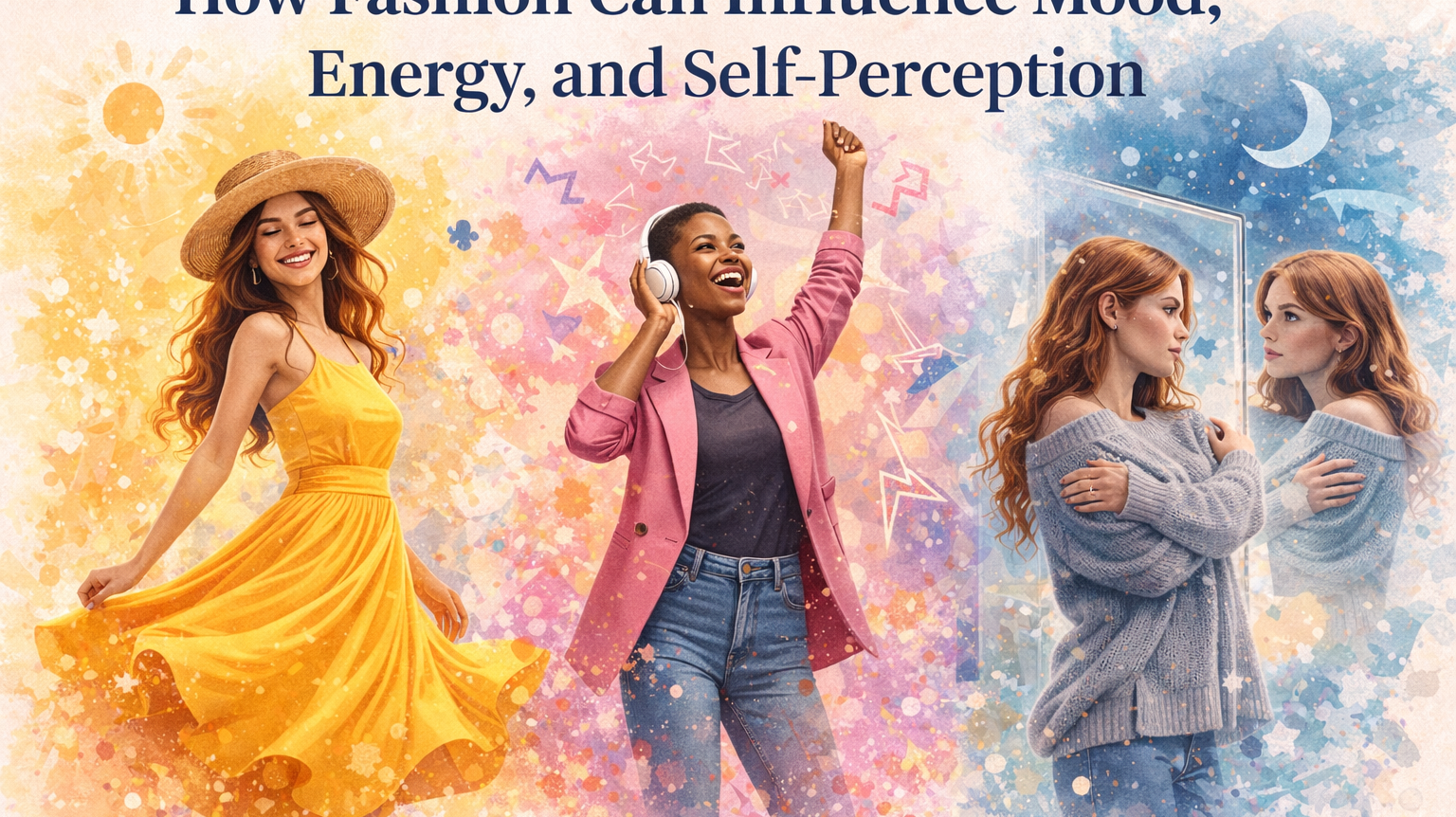
The Role of Fashion in Building Confidence and Presence

The Role of Fashion in Building Confidence and Presence

Fashion has always been about more than simply covering the body. Throughout history, clothing has served as a powerful form of communication, allowing individuals to express personality, identity, and social status. In the modern world, however, fashion plays an even more personal role. For many women, clothing has become a meaningful tool for building confidence and establishing presence.

The way a woman dresses can influence how she feels about herself and how others perceive her. Well-chosen clothing has the ability to enhance posture, elevate mood, and strengthen self-assurance. Whether in professional environments, social gatherings, or everyday life, fashion can help women present themselves with clarity and confidence.

Women’s fashion and clothing are therefore not just about style. They represent empowerment, personal identity, and the ability to shape how one interacts with the world.

Understanding the Connection Between Fashion and Confidence

Confidence often begins with self-perception. The way individuals see themselves has a direct impact on their behavior, energy, and interactions with others. Clothing can play a powerful role in shaping this perception.

When women wear clothing that fits well and reflects their personal style, they often feel more comfortable in their own skin. This sense of comfort can translate into greater confidence in both personal and professional settings.

Fashion psychologists frequently point out that clothing influences both internal feelings and external impressions. Wearing garments that feel elegant and flattering can encourage positive self-image, which in turn influences posture, body language, and communication.

For example, a well-tailored outfit may encourage someone to stand taller and move with greater assurance. These subtle changes contribute to a stronger sense of presence.

In this way, fashion becomes an essential element of self-confidence.

How Clothing Shapes First Impressions

First impressions are formed quickly, often within seconds of meeting someone. Clothing plays a significant role in shaping these impressions.

A thoughtfully chosen outfit can communicate professionalism, creativity, sophistication, or approachability before a single word is spoken. Because clothing is immediately visible, it often becomes the first element others notice.

Women who dress with intention often find that their clothing supports the image they wish to project. For example, structured garments may convey authority and competence, while elegant dresses can suggest confidence and grace.

The Influence of Fit on Personal Confidence

Fashion therefore functions as a visual introduction. It allows women to control how they present themselves to the world.

By aligning clothing choices with personal identity and goals, women can strengthen the impression they create in both personal and professional environments.

The Influence of Fit on Personal Confidence

Fit is one of the most important aspects of clothing when it comes to confidence.

Garments that fit properly enhance the natural shape of the body while allowing freedom of movement. When clothing fits well, it creates a sense of ease and comfort that supports confident behavior.

Poorly fitting garments, on the other hand, can distract from both appearance and self-assurance. Clothing that feels restrictive or unflattering may cause discomfort or self-consciousness.

This is why designers and fashion experts emphasize the importance of precise tailoring and thoughtful garment construction. Clothing should complement the wearer rather than compete with them.

High-quality fashion often prioritizes fit as a central design element. When garments are designed with attention to proportion and structure, they create a polished and refined appearance.

The significance of fit, along with other essential design elements, is explored further in Why Fit, Fabric and Finish Matter in Luxury Women’s Clothing Online, which explains how these factors contribute to superior clothing quality.

The Role of Fabric and Texture in Confidence

Fabric is another essential element in how clothing influences confidence.

The texture, weight, and quality of fabric affect not only the appearance of a garment but also how it feels against the skin. Comfortable fabrics can enhance the overall wearing experience, allowing women to move naturally and confidently.

Natural materials such as silk, cotton, wool, and linen often provide breathability and softness, which contribute to comfort throughout the day.

In addition to comfort, fabric also affects visual impact. Rich textures and elegant draping create garments that appear refined and sophisticated.

When clothing feels luxurious and well-crafted, it often enhances the wearer’s confidence. The physical sensation of quality fabric can reinforce the psychological feeling of elegance.

Fashion as a Form of Personal Expression

Confidence often grows when individuals feel authentic in how they present themselves. Fashion provides a powerful platform for personal expression.

Through clothing, women can communicate their personality, interests, and values. Some may prefer minimalist styles that emphasize simplicity and elegance, while others may enjoy vibrant colors and bold patterns.

Personal style allows women to align their appearance with their identity.

This alignment creates a sense of authenticity that strengthens confidence. When clothing reflects who someone truly is, it becomes easier to interact with others in a genuine and comfortable way.

Fashion therefore serves not only as decoration but also as a reflection of individuality.

The Power of Designer Clothing

Designer clothing often plays a unique role in building confidence and presence.

High-quality designer garments are typically created with exceptional attention to detail. Designers carefully consider fabric selection, garment construction, and silhouette to create pieces that enhance the wearer’s experience.

These elements contribute to clothing that looks refined and feels comfortable.

Designer clothing also often carries a sense of craftsmanship and artistry. Wearing such garments can create a feeling of appreciation for the quality and creativity behind them.

For many women, investing in well-made clothing provides long-term value and enduring style. Designer pieces are often created with timeless aesthetics that remain relevant beyond seasonal trends.

The benefits of investing in premium designer fashion are discussed in Why Beate Heymann Clothing Is Worth the Investment: Online Shopping Tips, which highlights how high-quality garments combine elegance, durability, and versatility.

When women wear clothing that reflects exceptional craftsmanship, it often enhances both confidence and presence.

Fashion and Body Language

Confidence is frequently communicated through body language. The way someone stands, walks, and gestures can significantly influence how others perceive them.

Clothing can subtly shape these physical behaviors.

When women feel confident in their clothing, they often move with greater ease. Comfortable garments allow natural movement, while elegant designs encourage graceful posture.

For example, structured dresses or tailored jackets may encourage a more upright posture. Flowing garments may promote relaxed yet poised movement.

These changes in body language can amplify a woman’s presence in a room.

Fashion therefore becomes part of the physical expression of confidence.

Fashion in Professional Environments

In professional environments, clothing can play a particularly important role in establishing credibility and authority.

Workplace fashion often balances professionalism with personal style. Women frequently choose garments that communicate competence while still reflecting individuality.

Elegant dresses, tailored blazers, and refined fabrics are common choices because they create a polished appearance.

When women feel confident in their professional attire, they often approach work with greater focus and assurance.

Fashion in the workplace therefore contributes not only to appearance but also to performance and communication.

The Psychological Impact of Dressing Well

The psychological benefits of dressing well extend beyond specific events or professional situations.

When women take time to select clothing that feels flattering and expressive, it can positively influence mood and mindset. Dressing with intention often encourages a sense of readiness for the day ahead.

This process can be viewed as a form of self-care.

By investing attention in personal style, women acknowledge their own value and individuality. This recognition can contribute to a stronger sense of self-worth.

Fashion therefore becomes a daily practice that supports emotional well-being.

Building a Wardrobe That Supports Confidence

Creating a wardrobe that supports confidence involves thoughtful choices.

Rather than focusing solely on trends, many women prioritize garments that align with their lifestyle and personal identity. Key considerations often include:

  • Selecting clothing that fits comfortably
  • Choosing fabrics that feel pleasant to wear
  • Investing in versatile pieces that can be styled in multiple ways
  • Maintaining a balance between timeless elegance and contemporary style

By building a wardrobe around these principles, women create a collection of clothing that consistently supports confidence and presence.

The Future of Confidence in Women’s Fashion

As fashion continues to evolve, the relationship between clothing and confidence will likely become even more significant.

Designers are increasingly recognizing that clothing must support both emotional and physical comfort. Collections often emphasize versatility, quality materials, and thoughtful design.

The Future of Confidence in Women’s Fashion

Consumers are also becoming more intentional about their fashion choices. Rather than focusing solely on trends, many women seek clothing that reflects personal values and enhances everyday life.

This shift suggests that the future of women’s fashion will continue to emphasize empowerment and authenticity.

Fashion plays a powerful role in shaping confidence and presence. The clothing women choose can influence how they perceive themselves and how others respond to them.

From the importance of fit and fabric to the impact of personal style and designer craftsmanship, fashion contributes to a sense of empowerment that extends beyond appearance.

When women dress in clothing that reflects their identity and supports their comfort, they often move through the world with greater confidence and clarity.

Women’s fashion and clothing therefore serve as more than aesthetic choices. They become tools for self-expression, confidence, and personal presence.

In this way, fashion continues to play an essential role in helping women present their best selves to the world.

Continue reading

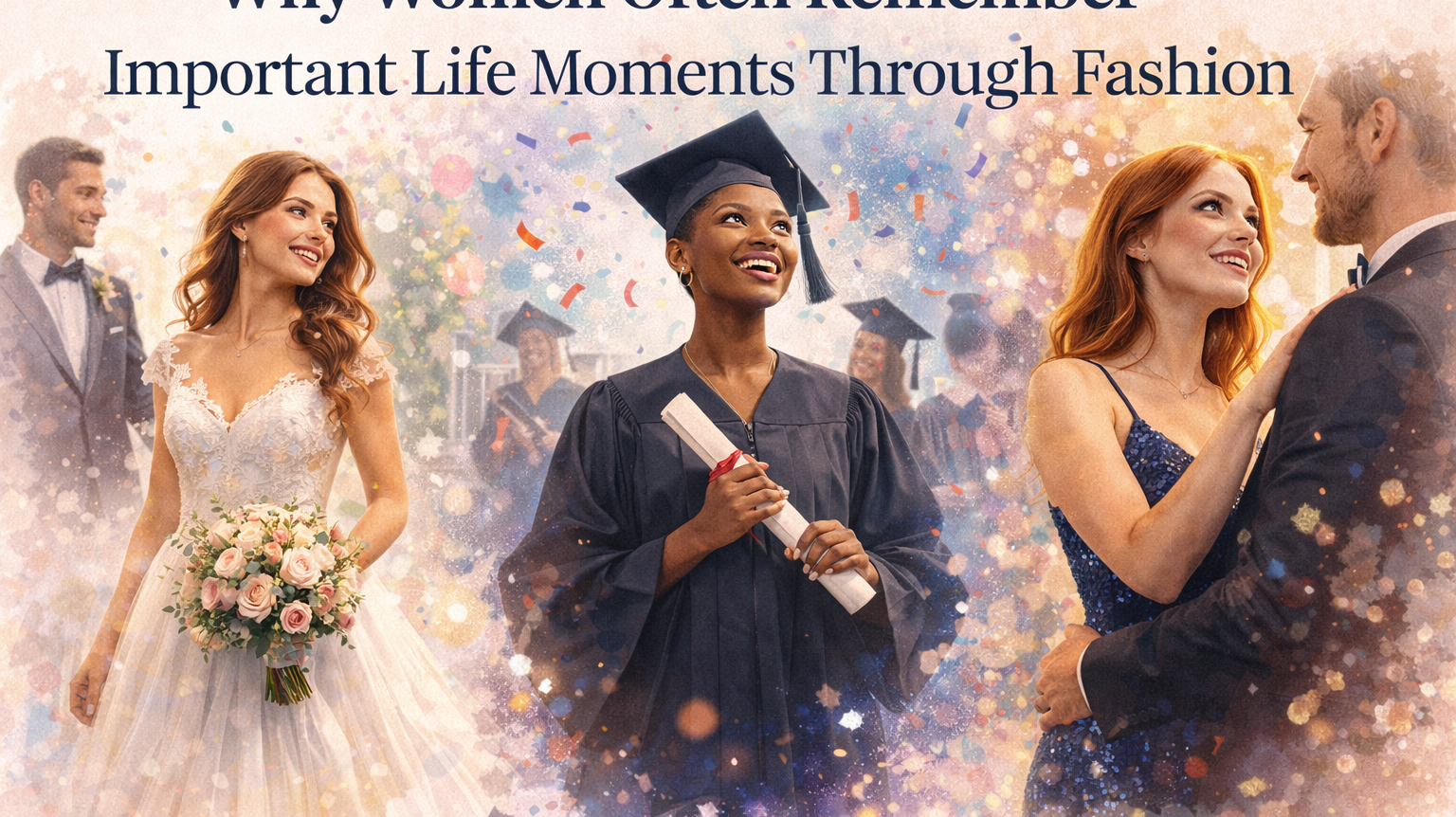
Why Women Often Remember Important Life Moments Through Fashion

Why Women Often Remember Important Life Moments Through Fashion

Fashion is often discussed in terms of trends, aesthetics, and seasonal collections. However, clothing has a deeper role in our lives than simply making us look stylish. For many women, fashion becomes closely tied to memory, emotion, and identity. A particular dress, jacket, or pair of shoes can instantly bring back memories of meaningful experiences.

From first jobs and special celebrations to travel adventures and personal milestones, clothing often becomes part of the story. Women frequently remember life events not only by what happened but also by what they were wearing when those moments occurred. Fashion becomes intertwined with memory, making it a powerful emotional connector.

Understanding why women associate important life moments with fashion reveals the deeper significance of clothing. Women’s fashion and clothing are not just about appearance—they are about memory, emotion, and personal storytelling.

The Emotional Connection Between Fashion and Memory

Human memory is strongly connected to sensory experiences. Psychologists often explain that memories are triggered by sights, sounds, textures, and emotions. Clothing interacts with several of these sensory elements simultaneously.

The texture of fabric, the color of a dress, and the way an outfit made someone feel can all become part of a memory.

For example, a woman might remember the dress she wore during a graduation ceremony or the outfit she chose for an important interview. These garments become associated with the emotions felt during those moments—excitement, anticipation, pride, or joy.

Fashion therefore becomes more than just clothing. It becomes a visual and emotional marker of life events.

This is one reason why certain pieces in a wardrobe are kept for years. Even when they are no longer worn regularly, they hold sentimental value.

Clothing as a Symbol of Personal Milestones

Throughout life, women experience numerous milestones that shape their identity. These moments often involve special clothing that reflects the importance of the occasion.

Clothing as a Symbol of Personal Milestones

Consider some of the most common milestones associated with fashion:

  • Graduation ceremonies
  • Weddings and engagement celebrations
  • First professional jobs or career achievements
  • Special birthdays or anniversaries
  • Travel experiences and memorable vacations

During these moments, clothing often feels more significant than usual. Women may spend extra time selecting garments that feel appropriate for the occasion.

These choices help create a sense of ceremony around the event. The clothing becomes part of the memory itself.

Years later, seeing the same dress or even a photograph of it can bring the entire moment back to life.

Fashion as a Personal Storytelling Tool

Fashion functions as a form of storytelling. Each outfit reflects a specific moment, mood, or stage of life.

For many women, clothing choices reflect personal growth. The garments worn during different phases of life often represent evolving identities.

A young professional might remember the outfit worn to a first job interview. Years later, she may recall the dress she wore while celebrating a career achievement. Each piece of clothing tells a chapter of a personal story.

This storytelling aspect of fashion is particularly powerful because clothing is visual. Unlike abstract memories, garments provide tangible reminders of past experiences.

They allow women to revisit important moments through the lens of style.

The Role of Confidence in Memorable Fashion Moments

Confidence often plays a major role in how clothing becomes associated with important memories.

When women feel confident in what they are wearing, they often carry themselves differently. Clothing that fits well and reflects personal style can enhance self-assurance and presence.

As a result, moments experienced while wearing such clothing tend to leave stronger impressions.

For example, an outfit worn during a successful presentation or meaningful social event may become unforgettable because it was associated with a feeling of empowerment.

Designer clothing often contributes to these experiences because of its craftsmanship, fabric quality, and refined design.

Garments that are thoughtfully designed can create a sense of confidence that enhances the entire experience.

Fashion and the Psychology of Nostalgia

Nostalgia is a powerful emotional force, and fashion often triggers nostalgic memories.

Seeing or touching a garment that was worn during an important moment can instantly transport someone back to that time. This emotional connection explains why many women keep certain pieces in their wardrobes long after they stop wearing them.

A dress worn during a significant event may be preserved because it represents a meaningful chapter in life.

Nostalgia allows clothing to become part of personal heritage. Over time, these garments become reminders of experiences that shaped identity and personal growth.

Fashion, therefore, becomes a bridge between past and present.

Travel Memories and Fashion

Travel is one of the experiences most strongly connected to clothing memories.

When women travel, they often choose outfits carefully to match the destination, climate, and activities. These clothing choices become associated with the excitement and discovery of new places.

A lightweight dress worn during a beach vacation or a stylish outfit chosen for exploring a new city can later evoke vivid memories of the trip.

Travel wardrobes are often curated to balance practicality and style. Clothing must be comfortable enough for exploration while still reflecting personal taste.

For women planning travel wardrobes, inspiration can often be found in How to Build a Chic Vacation Wardrobe with Stylish Swimwear, which highlights how thoughtful fashion choices can enhance vacation experiences.

When clothing complements memorable destinations, the connection between fashion and travel memories becomes even stronger.

Fashion as a Reflection of Personal Growth

As women progress through life, their style often evolves alongside their experiences.

Clothing choices may shift as careers develop, lifestyles change, and personal preferences mature. These changes reflect personal growth and self-discovery.

Looking back at past fashion choices can reveal how someone has evolved over time. The outfits worn during different life stages often symbolize important transitions.

For example, the clothing worn during early adulthood may reflect experimentation and exploration. Later in life, style may become more refined and intentional.

Each phase of fashion reflects the journey of personal development.

Why Investment Pieces Hold Special Meaning

Certain garments hold particular significance because they were chosen with care and intention.

Investment pieces—high-quality clothing selected for important occasions—often carry strong emotional associations. These garments may be worn during significant milestones or celebrations.

Because they are chosen thoughtfully, they often remain in wardrobes for many years.

Designer garments are frequently considered investment pieces due to their craftsmanship and timeless design. High-quality clothing not only lasts longer but also retains its elegance across different fashion seasons.

For those interested in understanding the value of designer investment pieces, insights such as Why Beate Heymann Clothing Is Worth the Investment: Online Shopping Tips highlight how premium garments can combine style, durability, and long-term value.

Investment pieces often become part of personal fashion history.

The Cultural Importance of Fashion Memories

Fashion memories are not only personal; they also reflect broader cultural experiences.

Certain clothing trends become associated with particular decades or social movements. For example, iconic dresses worn by celebrities or public figures often define cultural moments.

These garments influence how entire generations remember fashion history.

Similarly, family traditions often include clothing passed down through generations. Wedding dresses, heirloom jewelry, and vintage garments can carry emotional significance across decades.

This cultural dimension reinforces the idea that fashion is more than a personal choice—it is part of shared history.

How Fashion Strengthens Emotional Experiences

Clothing often enhances emotional experiences because it engages multiple senses.

The texture of fabric, the color of an outfit, and the way clothing moves with the body all contribute to how an event feels.

When these sensory elements align with meaningful moments, they become embedded in memory.

How Fashion Strengthens Emotional Experiences

For example, the elegance of a dress worn during a celebration may heighten the emotional atmosphere of the event. Similarly, a comfortable outfit worn during a relaxing vacation may reinforce feelings of joy and freedom.

Fashion therefore becomes part of the emotional environment surrounding life experiences.

The Future of Fashion and Memory

As fashion continues to evolve, the relationship between clothing and memory will likely remain strong.

Modern wardrobes increasingly emphasize versatility and personal style, allowing women to choose garments that reflect their identity and lifestyle.

These clothing choices will continue to shape memories of future milestones.

Whether celebrating career achievements, exploring new destinations, or marking personal milestones, fashion will remain an integral part of how women experience and remember important moments.

Women often remember important life moments through fashion because clothing becomes intertwined with emotion, identity, and memory. The garments worn during significant experiences serve as visual reminders of the events and feelings associated with them.

From milestone celebrations and career achievements to travel adventures and personal transformations, fashion becomes part of life’s narrative. Dresses, jackets, and other garments often hold meaning far beyond their physical form.

Women’s fashion and clothing therefore play a powerful role in shaping personal memories. Each outfit has the potential to capture a moment in time, transforming everyday garments into lasting symbols of life’s most meaningful experiences.

In this way, fashion is not just about what we wear—it is about the memories we create while wearing it.

Continue reading

How Fashion Can Influence Mood, Energy, and Self-Perception

How Fashion Can Influence Mood, Energy, and Self-Perception

Fashion is often viewed simply as a way to present oneself to the world. Yet clothing carries a deeper significance that extends far beyond appearance. The clothes women choose to wear every day can influence how they feel, how they behave, and even how they perceive themselves. In modern society, women’s fashion and clothing have become powerful tools that shape mood, energy levels, and self-confidence.

From the colors of fabrics to the fit of a garment, fashion has the ability to affect emotional well-being in subtle but meaningful ways. Many psychologists and fashion experts recognize that clothing plays a role in personal psychology. What a woman wears can alter her mindset, boost her confidence, and influence how she interacts with others.

Understanding the connection between fashion and emotional experience reveals why clothing choices matter more than many people realize. Fashion is not only about style—it is also about self-perception and personal empowerment.

The Psychology Behind Fashion Choices

Clothing has a profound psychological effect because it forms part of our daily identity. The garments we choose help define how we see ourselves and how others perceive us.

Psychologists often refer to this phenomenon as enclothed cognition, a concept that suggests clothing influences the wearer’s psychological processes. When people wear clothing associated with confidence, professionalism, or elegance, they often begin to embody those qualities.

For example, wearing a well-tailored outfit can encourage a sense of authority and readiness. Similarly, relaxed clothing may create a feeling of comfort and calm.

Women’s fashion offers countless opportunities to explore this connection between clothing and mindset. By choosing garments that align with their desired mood or identity, women can shape their emotional experience throughout the day.

Fashion therefore becomes an active part of personal well-being rather than a superficial concern.

How Clothing Affects Mood

One of the most immediate ways fashion influences daily life is through mood.

How Clothing Affects Mood

The clothing a woman selects each morning can subtly influence how she feels throughout the day. Certain fabrics, colors, and silhouettes can evoke feelings of happiness, confidence, or relaxation.

Bright colors, for instance, are often associated with optimism and energy. Soft textures can create a sense of comfort and calm. Elegant silhouettes may inspire confidence and poise.

Because clothing interacts with our senses—touch, sight, and movement—it naturally affects emotional responses.

Many women find that choosing clothing intentionally helps set the tone for the day ahead. Dressing in a way that reflects personal style or desired emotions can provide a small but powerful boost to mood.

Over time, these small choices can contribute to a stronger sense of emotional well-being.

The Energy That Fashion Creates

Fashion does more than influence mood; it can also affect energy levels.

The right outfit can make a person feel more motivated and prepared for the day’s challenges. When clothing feels comfortable, flattering, and expressive of personal style, it can create a sense of readiness and enthusiasm.

For example, wearing a structured dress or tailored outfit may encourage a more focused and productive mindset. Conversely, soft casual clothing might promote relaxation and creativity.

Fashion therefore becomes a tool for managing energy.

Women often choose clothing strategically based on the activities ahead—professional meetings, social events, travel, or leisure time. Each scenario may require a different type of clothing that supports the appropriate level of energy.

By aligning clothing with daily goals, fashion becomes part of a broader lifestyle strategy.

The Relationship Between Fashion and Self-Perception

Self-perception refers to how individuals view themselves and their abilities. Fashion can play a powerful role in shaping this perception.

When women wear clothing that aligns with their personal identity, they often feel more authentic and confident. Clothing that reflects personal values and aesthetic preferences reinforces a positive self-image.

This process occurs both internally and externally.

Internally, women may feel more comfortable and self-assured when their clothing reflects who they truly are. Externally, positive feedback from others can reinforce these feelings.

Fashion therefore acts as a bridge between internal identity and external expression.

The ability to express oneself through clothing allows women to take control of how they present themselves to the world

The Confidence Boost of Designer Clothing

High-quality clothing can have a particularly strong influence on confidence and self-perception.

Designer clothing often emphasizes craftsmanship, structure, and fabric quality. These elements create garments that fit well, move gracefully, and enhance the wearer’s silhouette.

When women wear clothing that is thoughtfully designed and carefully constructed, they often feel more confident in their appearance. The attention to detail found in designer pieces can elevate both comfort and presentation.

This connection between clothing and confidence is explored in greater depth in How Designer Clothing Enhances Confidence and Presence, which examines how well-designed garments can influence personal presence and self-assurance.

Designer fashion is not simply about luxury—it is also about the emotional impact of wearing clothing that reflects quality and intention.

Color Psychology in Women’s Fashion

Color plays an important role in how fashion influences mood and self-perception.

Different colors evoke different emotional responses. This is why color psychology is often considered when designing clothing collections.

For example:

  • Red is associated with energy, passion, and confidence.
  • Blue often conveys calmness and reliability.
  • Yellow can evoke optimism and creativity.
  • Black is frequently linked with sophistication and elegance.
  • White symbolizes simplicity and clarity.

When women choose clothing colors intentionally, they can influence their emotional state and the impression they create.

A vibrant dress may lift mood and attract attention, while neutral tones can create a sense of balance and refinement.

Understanding color psychology allows women to use fashion as a tool for emotional expression.

Fashion and Lifestyle Alignment

Modern women often live dynamic and multifaceted lives. Their clothing needs to support a variety of roles, from professional environments to social activities and travel.

Fashion that aligns with lifestyle can significantly enhance comfort and energy.

For example, travel wardrobes often emphasize lightweight fabrics, versatility, and practicality without sacrificing style. Choosing clothing that fits the context of travel allows women to maintain confidence and comfort while exploring new destinations.

Women who enjoy combining style with travel often benefit from inspiration such as How to Build a Chic Vacation Wardrobe with Stylish Swimwear, which highlights how thoughtful fashion choices can enhance travel experiences.

When clothing aligns with lifestyle needs, it contributes positively to both mood and self-perception.

Fashion as a Form of Self-Care

In recent years, fashion has increasingly been recognized as a form of self-care.

Taking time to select clothing that feels comfortable and reflects personal style can be a small but meaningful act of self-respect. Many women find that dressing intentionally improves their mindset and emotional outlook.

This does not necessarily require elaborate outfits. Even simple clothing choices can create a sense of order and positivity.

For example, choosing fabrics that feel pleasant against the skin or selecting colors that reflect personal mood can enhance daily well-being.

Fashion becomes a way to nurture self-confidence and personal identity.

The Social Influence of Fashion

Fashion also affects how individuals interact with others.

Clothing often communicates subtle messages about personality, professionalism, and creativity. These signals influence how people are perceived in social and professional environments.

When women feel confident in their clothing, they often communicate more effectively and engage more comfortably with others.

The Future of Fashion and Emotional Well-Being

This confidence can positively influence relationships, career opportunities, and social experiences.

Fashion therefore contributes not only to personal well-being but also to social dynamics.

The Future of Fashion and Emotional Well-Being

As the fashion industry continues to evolve, the connection between clothing and emotional well-being is becoming increasingly recognized.

Designers are exploring ways to create garments that prioritize comfort, versatility, and psychological impact. Soft fabrics, thoughtful silhouettes, and inclusive design approaches all contribute to a more holistic understanding of fashion.

Consumers are also becoming more intentional about their clothing choices.

Rather than focusing solely on trends, many women now prioritize clothing that supports their emotional needs and lifestyle preferences.

This shift suggests that fashion will continue to play an important role in personal well-being.

Fashion has the power to influence mood, energy, and self-perception in ways that extend far beyond aesthetics. The clothing women choose each day can shape emotional experiences, enhance confidence, and support personal identity.

From the psychological impact of colors to the confidence inspired by well-crafted garments, fashion interacts deeply with human psychology. It provides a creative outlet for self-expression while supporting emotional well-being.

In modern women’s fashion, clothing is not merely about looking stylish. It is about feeling empowered, energized, and authentic.

By understanding the connection between fashion and emotional experience, women can use clothing as a powerful tool for self-expression and confidence in everyday life.

Continue reading

The Future of Women’s Fashion in a World That Is Constantly Changing

The Future of Women’s Fashion in a World That Is Constantly Changing

Fashion has always been a reflection of the world around it. As societies evolve, technologies advance, and lifestyles transform, fashion adapts alongside them. Nowhere is this evolution more visible than in women’s fashion and clothing, which continues to reinvent itself while maintaining a strong connection to creativity, culture, and identity.

Today, the fashion landscape is moving faster than ever before. Global influences, digital platforms, and shifting consumer expectations are reshaping how women dress and how designers create clothing. Yet even amid constant change, the core purpose of fashion remains the same: to empower women, express individuality, and celebrate beauty through thoughtful design.

The future of women’s fashion is not defined by a single trend or aesthetic. Instead, it is shaped by a combination of innovation, sustainability, personalization, and timeless style. Understanding these forces offers a fascinating glimpse into what lies ahead for modern wardrobes.

Fashion as a Reflection of a Changing World

Fashion has always mirrored social and cultural transformation. From the elegant silhouettes of the early twentieth century to the experimental designs of contemporary fashion, clothing evolves alongside society.

Today’s rapidly changing world is influencing fashion in several ways. Advances in technology, new attitudes toward sustainability, and the rise of digital culture are all shaping how designers approach clothing design.

Women’s fashion is becoming more adaptable and inclusive than ever before. Designers are creating garments that respond to diverse lifestyles, allowing women to express individuality while maintaining comfort and practicality.

This adaptability is one of the defining characteristics of modern fashion. Rather than dictating strict rules, contemporary design encourages women to interpret style in ways that suit their unique identities.

The Rise of Individuality in Women’s Clothing

One of the most significant trends shaping the future of women’s fashion is the growing emphasis on individuality.

The Rise of Individuality in Women’s Clothing

In the past, fashion trends often encouraged uniformity. Designers introduced styles that many consumers attempted to replicate exactly. Today, however, fashion celebrates diversity and personal interpretation.

Women are increasingly choosing clothing that reflects their personalities, interests, and lifestyles. Instead of following trends blindly, they mix different influences to create their own aesthetic.

This shift has transformed fashion into a form of storytelling. Every outfit becomes a reflection of personal identity.

Designers support this movement by creating versatile garments that can be styled in multiple ways. This approach allows women to customize their wardrobes while maintaining elegance and sophistication.

Technology and the Digital Influence on Fashion

Technology has become one of the most powerful forces shaping the future of fashion.

Digital platforms have dramatically changed how women discover and engage with clothing. Social media, online boutiques, and virtual fashion events allow consumers to explore trends and designers from around the world.

This global accessibility has democratized fashion. Women are no longer limited to local trends; they can draw inspiration from international style movements.

Technology also influences the design process itself. Digital tools allow designers to experiment with fabrics, silhouettes, and colors more efficiently than ever before.

While these innovations accelerate fashion development, they also encourage greater creativity. Designers can explore new possibilities while still maintaining the craftsmanship and artistry that define luxury clothing.

Sustainability and Conscious Fashion

As awareness of environmental issues grows, sustainability has become a central topic in the fashion industry.

Consumers are increasingly interested in clothing that reflects responsible production practices. Many women now prioritize quality and longevity when building their wardrobes.

This shift has encouraged designers to rethink how garments are produced. Instead of focusing solely on rapid trend cycles, many brands are emphasizing durability, ethical sourcing, and timeless design.

Sustainable fashion does not mean sacrificing style. In fact, it often leads to more thoughtful design choices.

When designers focus on quality materials and careful construction, they create garments that remain stylish for years. This approach aligns with the growing desire for clothing that offers lasting value.

The Importance of Versatility in Modern Wardrobes

Modern lifestyles demand clothing that can adapt to different situations.

Women today balance professional responsibilities, social activities, travel, and personal interests. As a result, fashion must be flexible enough to support these dynamic lifestyles.

Versatile clothing is becoming increasingly popular because it allows women to transition seamlessly between different environments.

A well-designed dress, for example, can be styled for both daytime and evening occasions. Similarly, layering pieces such as jackets or scarves can transform an outfit without requiring an entirely new wardrobe.

Designers are responding to this demand by creating garments that combine elegance with practicality.

This approach ensures that fashion remains relevant in a world where adaptability is essential.

The Role of Designer Clothing in Modern Fashion

Despite the rise of fast fashion and mass production, designer clothing continues to hold a significant place in the future of women’s fashion.

Designer garments often emphasize craftsmanship, fabric quality, and innovative design. These elements elevate clothing beyond basic functionality, transforming it into an expression of artistry.

For many women, designer clothing also contributes to confidence and presence. Well-constructed garments enhance posture, silhouette, and overall presentation.

This connection between fashion and self-assurance is explored further in How Designer Clothing Enhances Confidence and Presence, which highlights how thoughtful design can influence personal style and confidence.

Designer fashion will likely remain an important source of inspiration as the industry evolves.

Travel and the Global Influence on Fashion

Global travel and cultural exchange have significantly influenced modern fashion.

Women today frequently draw inspiration from different regions and traditions. Fashion now incorporates elements from global cultures, blending diverse aesthetics into unique styles.

Travel also influences wardrobe choices. Clothing designed for travel must balance comfort, functionality, and style.

Lightweight fabrics, versatile dresses, and elegant swimwear are becoming essential components of travel wardrobes.

For women who enjoy exploring the world while maintaining their personal style, resources such as How to Build a Chic Vacation Wardrobe with Stylish Swimwear offer valuable inspiration for creating fashionable travel outfits.

This global perspective will continue to shape the future of women’s fashion.

The Influence of Comfort on Modern Design

Comfort has become one of the most important considerations in contemporary fashion.

In previous decades, style sometimes required sacrificing comfort. Today, designers recognize that women want clothing that feels as good as it looks.

Soft fabrics, relaxed silhouettes, and breathable materials are increasingly common in modern collections.

Comfortable fashion does not mean compromising elegance. Instead, it reflects a new design philosophy that prioritizes the wearer’s experience.

Women’s clothing

By combining comfort with sophistication, designers are creating garments that support modern lifestyles without losing their aesthetic appeal.

The Future of Fashion Innovation

Innovation will continue to shape the future of women’s fashion in exciting ways.

New materials, advanced manufacturing techniques, and creative collaborations are expanding the possibilities of clothing design.

Designers are experimenting with sustainable fabrics, digital design processes, and innovative tailoring methods that enhance both functionality and style.

These innovations allow fashion to evolve while preserving its artistic roots.

The balance between tradition and innovation will define the next era of women’s clothing.

Why Timeless Style Will Always Matter

Even as fashion evolves, certain principles remain constant.

Timeless style continues to play an essential role in modern wardrobes. Classic silhouettes, neutral color palettes, and elegant tailoring remain popular because they offer versatility and longevity.

Women who invest in timeless pieces often find that their wardrobes remain stylish across multiple seasons.

This balance between contemporary trends and enduring elegance ensures that fashion remains both exciting and practical.

The future of fashion will likely continue to embrace this combination of innovation and timeless design.

The future of women’s fashion is dynamic, diverse, and full of possibilities. As the world continues to change, fashion will evolve alongside it, reflecting new ideas, technologies, and cultural influences.

At the same time, the core values of fashion—creativity, elegance, and self-expression—will remain constant.

Women’s clothing will continue to empower individuals to express their identities, build confidence, and adapt to modern lifestyles. From sustainable design and digital innovation to timeless elegance and global inspiration, the future of fashion promises to be both exciting and meaningful.

In a constantly changing world, fashion will remain one of the most powerful ways women express who they are. And as designers and consumers continue to shape the industry together, the future of women’s fashion will reflect the creativity and individuality of the women who wear it.

Continue reading
  • Previous
  • Page 1 of 7
  • Next

Style Guides