


Designer dresses have long been associated with luxury, quality, and timeless style, but beyond the glamour lies a deeper truth: these garments are simply made better. While fast-fashion items may appear appealing due to lower prices and temporary trend relevance, they cannot compete with the craftsmanship, materials, construction techniques, and artistry embedded in designer clothing. Women who choose designer dresses understand that a garment is more than its appearance—it is an investment in longevity, confidence, and unparalleled beauty. Designer dresses excel because every element of their creation is approached with intention, expertise, and dedication to excellence.
In a world where clothing is often mass-produced swiftly and inexpensively, designer dresses stand apart as symbols of thoughtful engineering and artistic expression. Each dress undergoes a rigorous process that includes concept development, careful sketching, fabric selection, patternmaking, sample creation, fitting sessions, and precise construction. From initial vision to final stitch, designer garments pass through the hands of specialists who understand how fabric interacts with the body and how style evolves over time. This level of attention is the reason these dresses last longer, look better, and offer superior comfort and performance. To understand why designer dresses are better made, we must explore the elements that elevate them above conventional fashion.
Designer Dresses Begin With True Artistic Vision
Designer dresses start from a place of creativity rather than imitation. Fashion designers spend months conceptualizing collections, researching cultural influences, studying historical elements, analyzing fabrics, and creating unique silhouettes. Unlike mass-market garments that mimic fleeting trends, designer dresses are born from artistic vision. They reflect intention, innovation, and craftsmanship. This foundation ensures that each garment is not only beautiful but meaningful and expressive. The creative energy behind designer dresses becomes evident in the final result, giving them emotional resonance and long-lasting appeal.
Superior Craftsmanship Defines Every Stitch
Craftsmanship is the defining characteristic that sets designer dresses apart. These garments are made by expert artisans who have mastered sewing techniques, fabric manipulation, structural engineering, and fine detailing. Every seam is reinforced, every stitch placed with precision, and every fabric panel aligned perfectly to ensure durability and beauty. Unlike mass-produced dresses stitched quickly in factories, designer dresses go through multiple fitting stages and quality checks. Skilled workers handle delicate fabrics, apply couture techniques, and dedicate hours to perfecting each garment. The result is a dress that withstands time, movement, and wear without losing its elegance.
High-Quality Fabrics Enhance Durability and Beauty
The quality of fabric determines how a dress looks, feels, and performs. Designer brands source premium materials such as silk charmeuse, wool crepe, satin, chiffon, tulle, organza, and custom-woven textiles that are unavailable to fast-fashion retailers. These fabrics drape beautifully, maintain shape, resist stretching, and offer comfort against the skin. They also photograph exceptionally well, reflecting light and showcasing texture. High-quality fabrics not only elevate the aesthetic appeal of designer dresses but ensure they last longer and endure repeated wear. Fabric excellence is a major reason designer dresses remain superior over time.
The Design Process Prioritizes Fit and Function
Designer dresses are engineered to fit the human body with precision. Patternmakers create silhouettes that accommodate movement, emphasize shape, and flatter a variety of body types. Each garment undergoes multiple fittings on real models, allowing designers to fine-tune proportions, adjust seams, and refine structure. This meticulous process ensures that designer dresses fit beautifully, enhancing confidence and comfort. Fast-fashion garments rely on generic patterns, resulting in inconsistent sizing and awkward proportions. True designer pieces are intentionally shaped, offering a fit that feels both luxurious and natural.
Designer Dresses Incorporate Advanced Construction Techniques
Beyond surface beauty, designer dresses benefit from sophisticated construction methods. These include boning, linings, French seams, hand-stitching, understructures, pleating techniques, and fabric bonding. These techniques require expertise and time, contributing to the garment’s longevity and appearance. Internal structures provide support, ensuring that the dress maintains its silhouette regardless of movement or wear. Fast-fashion dresses lack these reinforcements, causing them to lose shape quickly. Designer construction methods act as the dress’s architectural foundation, making them durable and visually stunning from every angle.
Attention to Detail Elevates Every Element
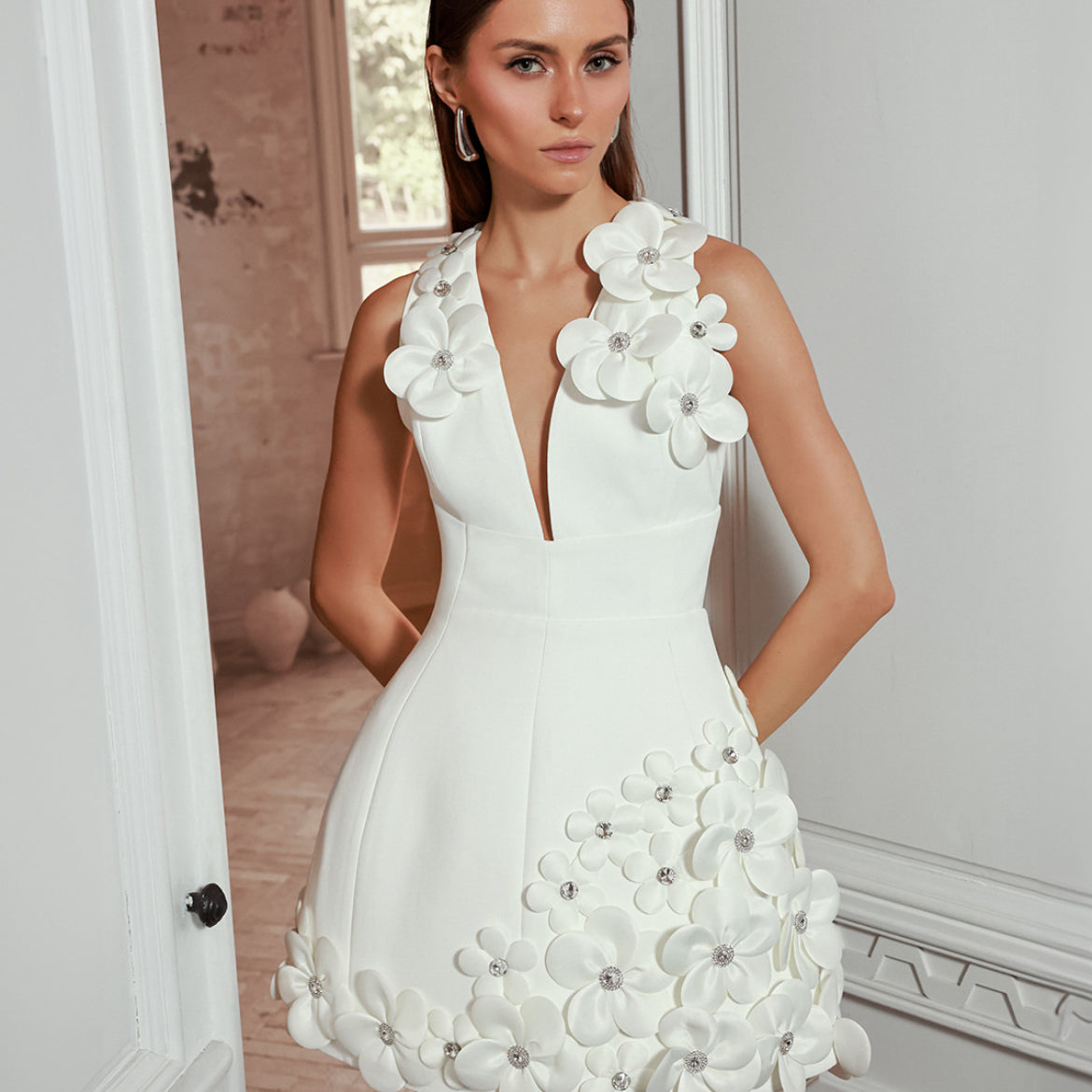
One of the most significant reasons designer dresses are better made is the level of detail invested in each piece. Every button, zipper, lining, embellishment, and trim is chosen intentionally. Designers select hardware that complements the fabric, ensures durability, and enhances the overall aesthetic. Embroidery, beadwork, lace appliqué, and draping are executed with precision. Details that may appear minor contribute significantly to the dress’s refinement and integrity. High-end designers understand that perfection lies in the details, and they dedicate extensive effort to ensure that every element harmonizes seamlessly.
Designer Dresses Are Created in Smaller Quantities
Mass production prioritizes speed and cost, resulting in less attention to each individual garment. Designer dresses, on the other hand, are produced in limited quantities to ensure quality control. Smaller production volumes allow for careful oversight during every stage of construction. Artisans invest more time in crafting each piece, leading to superior results. Limited production also contributes to exclusivity, making designer dresses more desirable and valuable. Quality thrives when quantity is controlled, and designer brands honor that principle.
Ethical Production Defines Luxury Fashion
Designer brands are often committed to ethical manufacturing practices, including fair wages, safe working environments, and responsible sourcing. Many high-end designers emphasize sustainability, transparency, and environmentally conscious practices. This commitment ensures that garments are produced with respect for workers and the environment. Fast fashion’s mass-production model often overlooks these concerns, resulting in lower-quality garments produced under questionable conditions. Ethical production contributes to better-made dresses because skilled workers are compensated fairly and take pride in their craft.
Designer Dresses Blend Tradition With Innovation
The creation of designer dresses brings together traditional techniques and modern advancements. Techniques such as hand-draping, embroidery, and tailoring have been refined over centuries, while innovations in textile development, pattern technology, and construction allow designers to create garments with enhanced performance. This blend of tradition and innovation ensures designer dresses remain durable, functional, and timeless. The combination of old-world craftsmanship and contemporary design thinking results in clothing that stands above mass-produced alternatives.
Designer Brands Conduct Rigorous Quality Control
Quality control is a crucial stage in designer dress construction. Each garment undergoes inspections to assess stitching integrity, fabric behavior, zipper performance, alignment, and finishing. These tests ensure that only flawless pieces reach consumers. Fast-fashion retailers cannot afford the time or cost of such rigorous evaluation. Strict quality control ensures that women receive dresses that meet the highest standards of craftsmanship and durability, reinforcing the longevity and value of designer garments.
Designer Pieces Offer Better Structural Integrity

Designer dresses are built with structural components that ensure long-term performance. Reinforced seams, interfacing, boning, and shaping elements maintain the dress’s silhouette even after multiple wears. Structural integrity allows the dress to move with the body while preserving elegance. Fast-fashion garments lack these foundational elements, causing them to lose shape quickly. Structural strength is a key indicator of quality, and designer dresses excel in this regard.
Designer Dresses Feature Exclusive Patterns and Prints
High-end designers often collaborate with textile artists and in-house creative teams to develop exclusive prints, patterns, and color palettes. These unique designs add depth and identity to each collection. Fast-fashion companies replicate patterns for mass consumption, diminishing uniqueness. Designer prints, however, are protected, rare, and produced with superior dye techniques that prevent fading. Exclusive prints contribute to the longevity and desirability of designer dresses, further showcasing why they are better made.
Designer Dresses Are Tailored to Movement
Movement is essential in dress design, and designer garments prioritize fluidity, grace, and comfort. Fabrics are chosen for drape and elasticity, seams are reinforced for stress points, and silhouettes are engineered to complement natural motion. Whether walking, sitting, dancing, or traveling, designer dresses maintain elegance without restriction. This attention to movement ensures not only comfort but longevity, as garments that move well require less structural strain over time.
Better Fastenings and Closures Ensure Longevity
The closures used in designer dresses—zippers, hooks, buttons, and clasps—are selected for durability and aesthetic coherence. High-quality hardware withstands frequent use and maintains functionality. Fast-fashion closures break easily or fail after minimal wear. Designer fastenings, often sourced from specialized manufacturers, contribute to the garment’s overall durability and elevate its quality. These small components play a significant role in why designer dresses last longer.
Designer Dresses Prioritize Timeless Style
Designer garments are rooted in principles of timeless style rather than passing trends. Classic silhouettes, refined tailoring, and balanced proportions ensure that designer dresses remain fashionable for years. Timelessness is a hallmark of luxury. When a garment is created with longevity in mind, it naturally remains relevant and wearable. Fast fashion often prioritizes trend replication, resulting in short-lived garments. Designer dresses transcend seasons because they embody enduring aesthetics.
Designer Dresses Are More Comfortable to Wear
Comfort is an essential part of quality. Designer dresses incorporate breathable fabrics, functional linings, thoughtful seaming, and ergonomic design. These elements prevent irritation, enhance movement, and support prolonged wear. Comfortable dresses are worn more often and last longer because they avoid excessive strain from improper fit or cheap materials. Comfort contributes directly to longevity, making designer dresses a long-term wardrobe staple.
Designer Dresses Are Made by Skilled Artisans
Behind every designer dress is a team of highly trained artisans. These individuals dedicate years to mastering couture techniques, intricate handwork, and precision sewing. Their expertise ensures that each dress meets luxury standards. Mass-produced garments lack this human element of artistry. The presence of skilled artisans elevates every stitch, turning clothing into wearable art. This craftsmanship is irreplaceable and central to why designer dresses are made better.
Designer Dresses Support Sustainable Wardrobe Building
Because designer dresses last longer and remain stylish across multiple seasons, they support sustainable wardrobe practices. Women can build long-term collections rather than constantly replacing garments. High-quality dresses reduce waste and minimize the environmental impact associated with fast-fashion turnover. Sustainable wardrobes prioritize quality over quantity, and designer dresses were made for this philosophy.
Designer Dresses Retain Their Value Over Time
Designer dresses hold resale value due to superior materials, craftsmanship, exclusivity, and brand reputation. Many designer pieces can be sold or consigned at a high percentage of their original price. Fast-fashion garments have no resale value because their quality and relevance diminish quickly. Value retention reflects the quality of construction and the lasting appeal of designer garments, proving that they are better made financially and aesthetically.
Designer Dresses Are Made With Precision Patternmaking
Precision in patternmaking ensures a garment fits beautifully and maintains its shape. Designer brands invest heavily in skilled patternmakers who understand proportion, balance, and millimeter-level accuracy. These patterns create silhouettes that complement the wearer’s body rather than forcing the body to conform to poor design. High-quality patternmaking is one of the most important factors in garment longevity and comfort, making designer dresses superior.
Designer Dresses Age Gracefully
Unlike fast-fashion garments that deteriorate after minimal wear, designer dresses age beautifully. High-quality fabrics soften, colors remain vibrant, and structural integrity persists. When a garment ages gracefully, it gains character rather than losing appeal. This longevity is the hallmark of luxury. A well-made designer dress can be worn for years while retaining its beauty and elegance.
Designer Dresses Reflect Personal Identity
Women choose designer dresses because they reflect personal style and identity. When clothing aligns with authenticity, it remains relevant regardless of trends. Designer pieces become part of a woman’s story, accompanying her through milestones, celebrations, and special moments. This emotional value elevates the importance of quality, making designer dresses cherished additions to any wardrobe.
Designer dresses for women are unquestionably better made because they embody artistry, craftsmanship, innovation, and integrity at every stage of creation. They begin with creative vision, rely on expert construction, use superior fabrics, and undergo rigorous quality control. They offer unparalleled fit, comfort, durability, and timeless appeal. These garments are created with intention, skill, and pride—elements that mass production cannot replicate. Designer dresses elevate confidence, express individuality, and stand the test of time, proving their long-term value.
Women who invest in designer dresses are investing in clothing that honors their beauty, respects craftsmanship, and carries lasting importance. Quality is not a trend—it is a foundation. And designer dresses are built upon that foundation with precision, passion, and excellence. That is why designer dresses for women are, and will always be, better made.